A note before we start: I'm not a doctor. This post came out of a few questions that kept landing in my DMs - women with endometriosis asking whether male fertility mattered in their scenario. I didn't fully know the answer, so I went and did some research. What follows is what I found. It's for information only and is not medical advice. If this is part of your situation, please speak with a qualified fertility specialist who knows both your circumstances.
Over the last few months, a version of the same question has come up repeatedly in my DMs.
"I have endometriosis. Does it make sense for my partner to look at his sperm health?"
Honestly, I didn't have a complete answer. I knew endometriosis was associated with female infertility. I didn't know how much, if anything, it meant for the male side of the equation.
So I went looking for research - and I tried to break it down into an easy overview of what I found.
What endometriosis does to sperm
Endometriosis doesn't change how a man's body produces sperm. It doesn't affect his hormones or his reproductive anatomy at all. But it does change the environment that sperm have to travel through once they get there.
In women with endometriosis, the fluid inside the pelvic cavity (peritoneal fluid) is chemically different to the fluid in women without the condition. It's higher in inflammation, higher in something called reactive oxygen species, and more hostile to sperm in general.
Think of it like this. Sperm are already doing a difficult job by swimming a long distance to reach an egg. If the environment they're swimming through is actively working against them, the quality of the sperm you start with matters even more.
What is oxidative stress?
Oxidative stress is essentially what happens when there's an imbalance between damaging molecules (called free radicals or reactive oxygen species) and the antioxidants your body uses to neutralise them. When there's too much oxidative activity, it damages cells.
Sperm are particularly vulnerable to this. Their outer membranes are made up of a type of fat that oxidises easily. When the oxidative load is too high, whether inside the male reproductive system or in the environment sperm travels through, it damages the sperm's DNA, reduces how well they swim, and can affect whether fertilisation and embryo development work properly.
A 2018 review found oxidative stress as one of the main pathways through which endometriosis impairs fertility outcomes.
This is why antioxidant status in men becomes more relevant when their partner has endometriosis, not less.
What should a man actually do?
The good news here is that sperm quality is something you can influence. It takes time (sperm take about 74 days to develop) but the choices you make over those three months genuinely affect what you produce. Learn more on male fertility and all the different factors here.
If your partner has endometriosis, here's where to focus:
Get a full semen analysis including DNA fragmentation. Standard tests won't show DNA damage. Given the oxidative environment involved in endometriosis, this is a more useful data point than count alone. Ask your clinic specifically about DNA fragmentation testing.
Focus on antioxidants. If oxidative stress is the mechanism causing problems, reducing oxidative damage to sperm before they encounter that environment is the logical target. The nutrients with the most research behind them in this context are CoQ10, Vitamin C, Vitamin E, selenium, lycopene, and zinc. Find the research behind them here.
Address the basics. Heat, alcohol, smoking, and poor sleep all increase oxidative stress and reduce sperm quality. Cutting these back matters regardless of the situation. They matter more here.
Key Takeaways
-
Endometriosis doesn't affect how a man produces sperm, but it does affect the environment sperm travel through
-
That environment is higher in oxidative stress and inflammation, which can reduce sperm motility and damage sperm DNA
-
Sperm DNA fragmentation testing gives a more complete picture than a standard analysis
-
Antioxidant status is particularly relevant: CoQ10, Vitamin C, Vitamin E, selenium, lycopene, and zinc can help here
Where ODYN fits
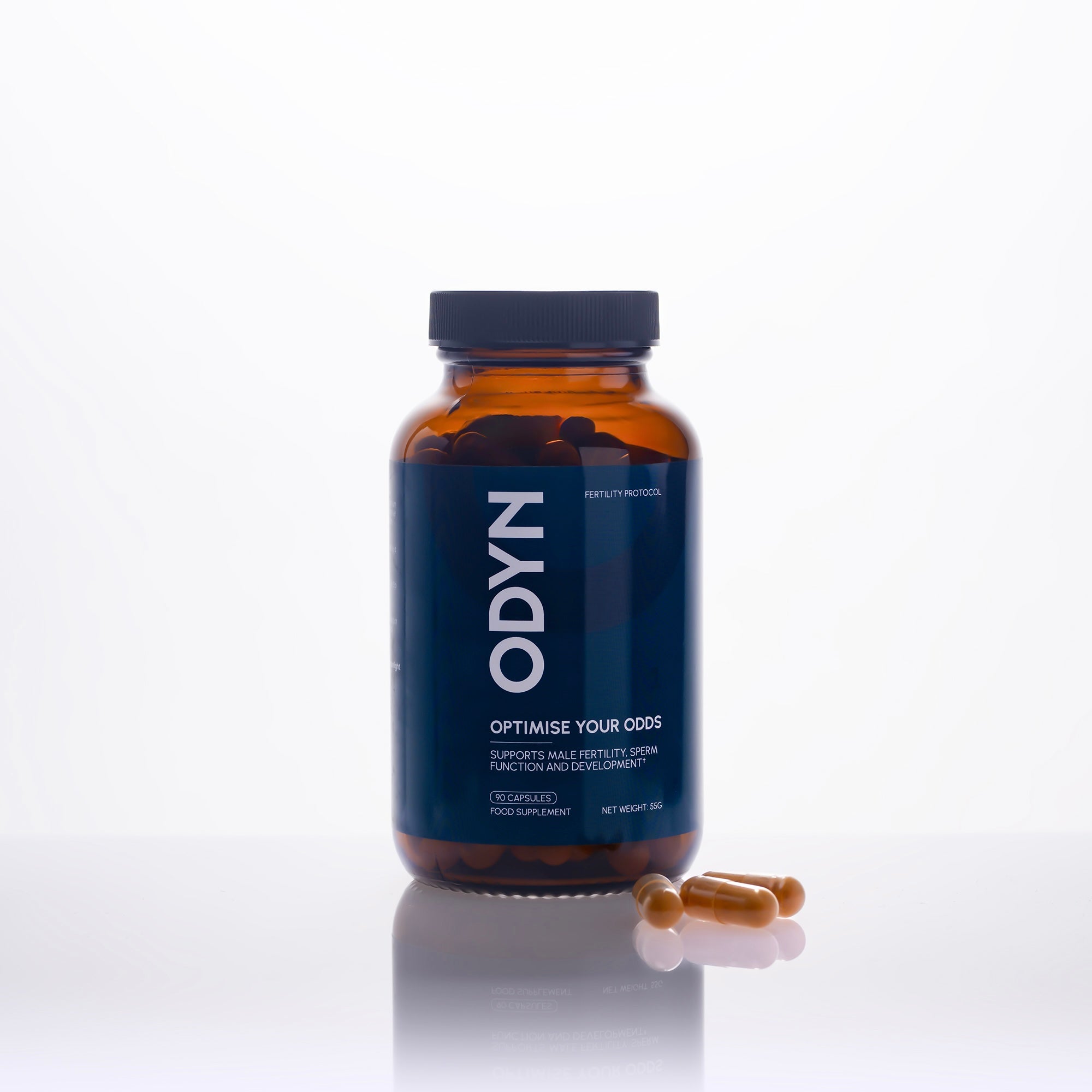
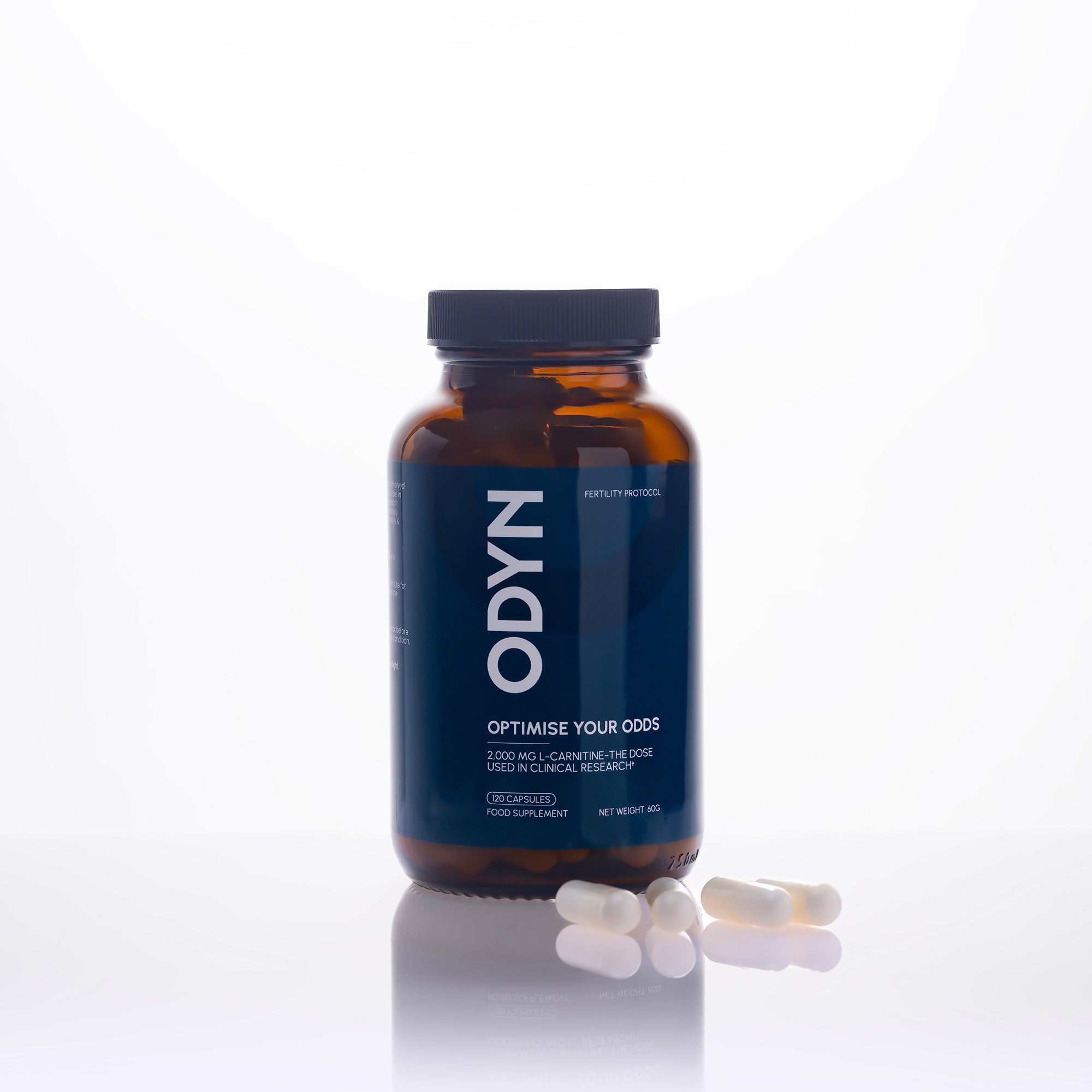
The ODYN Fertility Protocol includes a full antioxidant stack, CoQ10, Vitamin C, Vitamin E, selenium, lycopene, and zinc, at doses based on what appears in the clinical literature. Not token amounts to pad the label.
No hype. No filler. No promises of overnight change.
If your partner has endometriosis, the male side of the equation isn't something to ignore. It's a meaningful variable you can actually act on.
Explore the ODYN Fertility Protocol
A final word
I started looking into this because a few people asked me about it. I'm glad they did.
If you're reading this as a couple dealing with endometriosis - the fact that you're asking about the male side already puts you ahead of where most couples start. That's genuinely not nothing.
Good luck to you both.
Frequently Asked Questions
Does endometriosis affect male fertility directly? Not directly. It doesn't change how a man produces sperm or affect his reproductive anatomy. But it does change the environment sperm travel through inside the female reproductive tract - making it higher in oxidative stress and inflammation, which can impair sperm motility and DNA integrity.
Why does this environment affect sperm? Sperm cell membranes are made of a type of fat that oxidises easily. When reactive oxygen species levels are high it damages the sperm's DNA and reduces how well they move. Sperm that are already carrying oxidative damage are more vulnerable to this.
Should a man get tested if his partner has endometriosis? A standard semen analysis is a starting point. But given the oxidative stress mechanism involved, DNA fragmentation testing is more informative. It gives a more complete picture of sperm health than count and motility alone. Ask your clinic specifically as it's not always offered as standard.
What nutrients matter most in this context? The most consistently cited in the research are antioxidants: CoQ10, Vitamin C, Vitamin E, selenium, lycopene, and zinc. These have the most evidence for reducing oxidative damage to sperm.
Is ICSI recommended when a partner has endometriosis? Some clinics recommend it in endometriosis cases because it bypasses the peritoneal environment entirely. Whether it's the right approach depends on your full clinical picture. Worth raising with your specialist if you're heading into IVF.
How long does it take to improve sperm quality? Sperm take roughly 74 days to develop. Meaningful changes usually take two to three months to show up in results. Start as early as you can before any planned fertility treatment.