Let's clear something up straight away: if you’re hoping for overnight miracles in sperm quality, you're out of luck. Despite what some supplement ads or internet forums might promise, biology has its own timeline, and there is no way around it.
Why does it take around 3 months to improve sperm quality?
Most improvements in sperm quality take around 2–3 months. This is because sperm cells take roughly 74 days to develop and mature before they appear in a semen analysis. Changes to lifestyle, nutrition, or supplementation affect sperm that are still developing, which means improvements usually become visible after 8–12 weeks of consistent changes.
That might sound frustrating. But it’s actually good news.
It gives you a clear, realistic window to work with.
When I first found out about my own fertility challenges, I panicked. I wanted instant solutions. But diving into the science taught me patience, and perspective. I learned that sperm health is responsive, but improvements need consistent action over weeks and months, not days.
What matters most:
-
You’re always working on future sperm
-
Consistency matters more than intensity
-
Short-term fixes rarely work
Lifestyle factors like diet, alcohol intake, exercise, sleep, and nutrient status have the biggest long-term impact
If you're new to the basics of sperm health, start here: Understanding Male Fertility
What typically happens over the 12 weeks
- Weeks 1–4: You're laying the groundwork. Target nutrients like CoQ10, L-Carnitine, Zinc and antioxidants to start supporting healthier sperm development right at the cellular level, even though you won't "feel" or see immediate results.
- Weeks 4–8: Your body has begun forming healthier sperm, but they're still maturing. Staying consistent is crucial. Keeping up the good habits like cutting alcohol, optimising diet and regular exercise will make a huge impact on ensuring these developing cells have the best environment possible.
- Weeks 8–12 and beyond: Finally, your efforts should start to visibly pay off. Sperm concentration, motility, and morphology typically begin showing measurable improvements around this time. Regular testing can show your progress clearly. But remember, everyone is different - some will see results earlier, some later, some not at all.
So when should you start making changes?
Why am I telling you all this? Because timing matters. The best time to start prioritising sperm health is always today. Don't wait for problems to surface. Take control. Be proactive.
And remember, while patience is essential, so is action. The sooner you start, the sooner your future sperm will thank you.
If you want to know what changes actually make a difference: How to Improve Sperm Quality
Key takeaways
-
Sperm take around 74 days to develop and mature
-
Because of this, improvements usually appear after 2–3 months
-
Lifestyle, diet, sleep, and nutrient status influence sperm development
-
Consistency over time matters more than short-term changes
Where ODYN fits
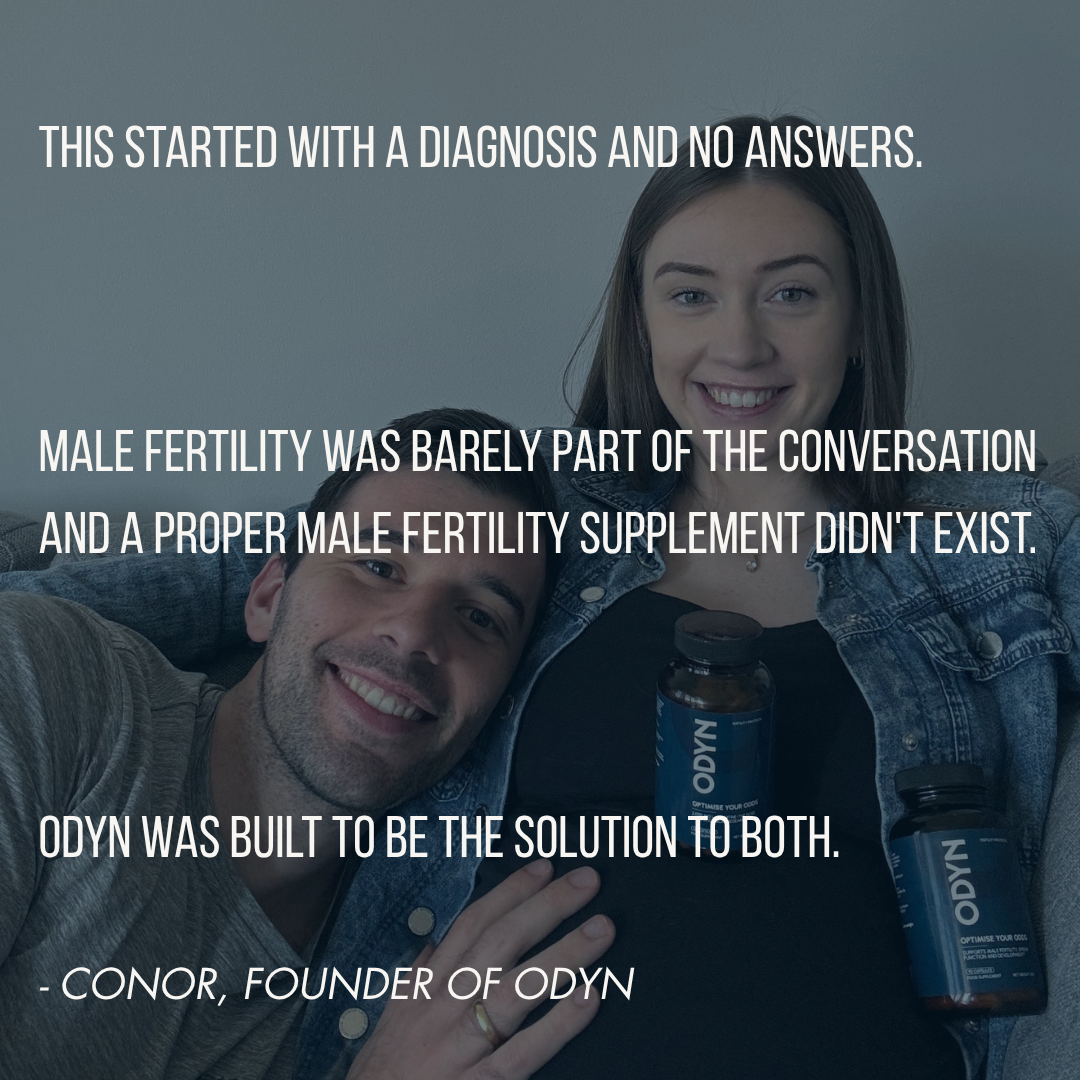
This is exactly why I built ODYN around structure, transparency, and realistic expectation -not quick wins or underpowered blends.
-
A 90-day timeframe
-
Clinically meaningful doses, not label-padding
-
Supporting sperm health as a process, not a quick win
It’s not a guarantee, and it’s not for everyone. It’s for men who want a structured, evidence-led way to take responsibility for their side of the equation.
Explore the ODYN Fertility Protocol
Frequently asked questions
Can sperm quality improve naturally?
Yes. Because sperm are constantly produced, changes to health, lifestyle, and nutrient intake can influence the quality of newly developing sperm over time.
Why do fertility supplements take 90 days?
Most good male fertility supplements are designed around the sperm development cycle. Since sperm take around 74 days to develop, a 90-day protocol allows enough time for improvements in newly produced sperm to appear.
How often should sperm quality be tested?
Doctors often recommend repeating a semen analysis after 8–12 weeks when trying to measure improvements, as this aligns with the sperm development cycle.