Folic acid is one of those things almost everyone associates with women. Specifically, with pregnancy. I mean, I have probably known since I was a teenager that women are meant to start taking it before they get pregnant. It appears on every prenatal supplement label. It's just, in most people's minds, a women's thing.
But folate plays a meaningful role in sperm production too. And most men have no idea.
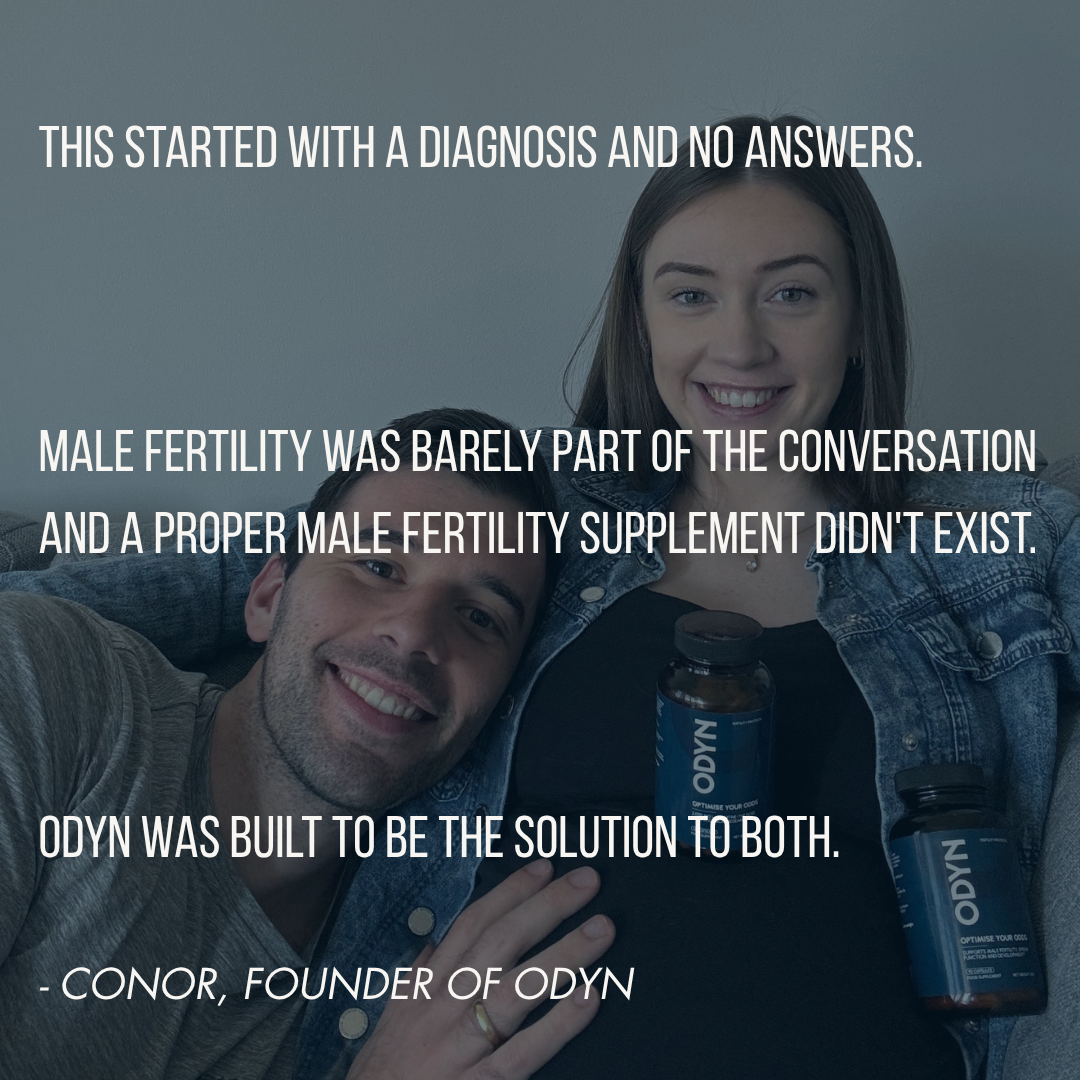
I didn't either, until I started reading the research after my own diagnosis. This post covers what folate actually does in the male body, what the evidence says, and what's worth knowing before you reach for a supplement.
What's the difference between folic acid and folate?
People use these terms interchangeably, but they're not the same thing.
Folate is the naturally occurring form of vitamin B9. You get it from food like leafy greens, eggs, legumes, liver.
Folic acid is the synthetic version used in most supplements and fortified foods. Your body can't use it directly. It has to be converted into the active form (called L-methylfolate or 5-MTHF) through a series of enzymatic steps.
However, a very common genetic variation called MTHFR reduces the efficiency of that conversion. For men with this variant, standard folic acid supplements may not be raising their active folate levels as much as they'd expect.
The most bioavailable form to supplement with is methylfolate (5-MTHF), which bypasses the conversion process entirely and can be used by the body immediately. it's not that folic acid will be completely useless, but it's worth understanding the difference.
What does folate actually do for sperm?
Folate is involved in DNA synthesis - that is the process of building and replicating genetic material. Sperm are essentially DNA delivery vehicles. They need to carry intact, undamaged genetic material to the egg. And folate plays a central role in that process.
Specifically:
DNA integrity. A study published in PMC found a significant negative correlation between seminal plasma folate levels and sperm DNA fragmentation index. In plain English: lower folate, more DNA damage.
Morphology. Folate deficiency has been linked to abnormal sperm shape, specifically defects in the head and tail structure. The process of sperm formation (spermatogenesis) relies on accurate cell division, and folate is required for that to work properly.
Motility. Some studies have found that adequate folate levels are associated with better sperm motility, including progressive motility.
The biological mechanism behind this is that folate deficiency disrupts DNA methylation patterns and increases oxidative stress in developing sperm cells. Both of those things damage DNA and impair sperm function.
Where do you get folate from food?
If you'd rather focus on food sources first, which is always a great starting point, the best sources of naturally occurring folate are:
- Dark leafy greens (spinach, kale, rocket)
- Legumes (lentils, chickpeas, black beans)
- Eggs
- Liver and other organ meats
- Asparagus
- Avocado
- Broccoli
The challenge is that natural folate from food is less stable than the synthetic version. Heat and light can reduce it, which means cooking can lower the folate content of vegetables. Eating some of these raw or lightly cooked helps.
Should men take a folate supplement?
To get to the point: if you're trying to conceive, maintaining adequate folate status makes sense given its role in sperm DNA integrity.
Want to understand more on when to start taking a supplement? Check out this post.
Key Takeaways
- Folate (vitamin B9) plays a direct role in sperm DNA synthesis and is linked to DNA integrity, morphology, and motility
- Folic acid is the synthetic form your body has to convert it to become active
- A common genetic variation (MTHFR) reduces that conversion efficiency in a significant portion of men
- Food sources include leafy greens, legumes, eggs, liver, and avocado
- Getting adequate folate through diet or supplementation makes sense when trying to conceive
Where ODYN fits
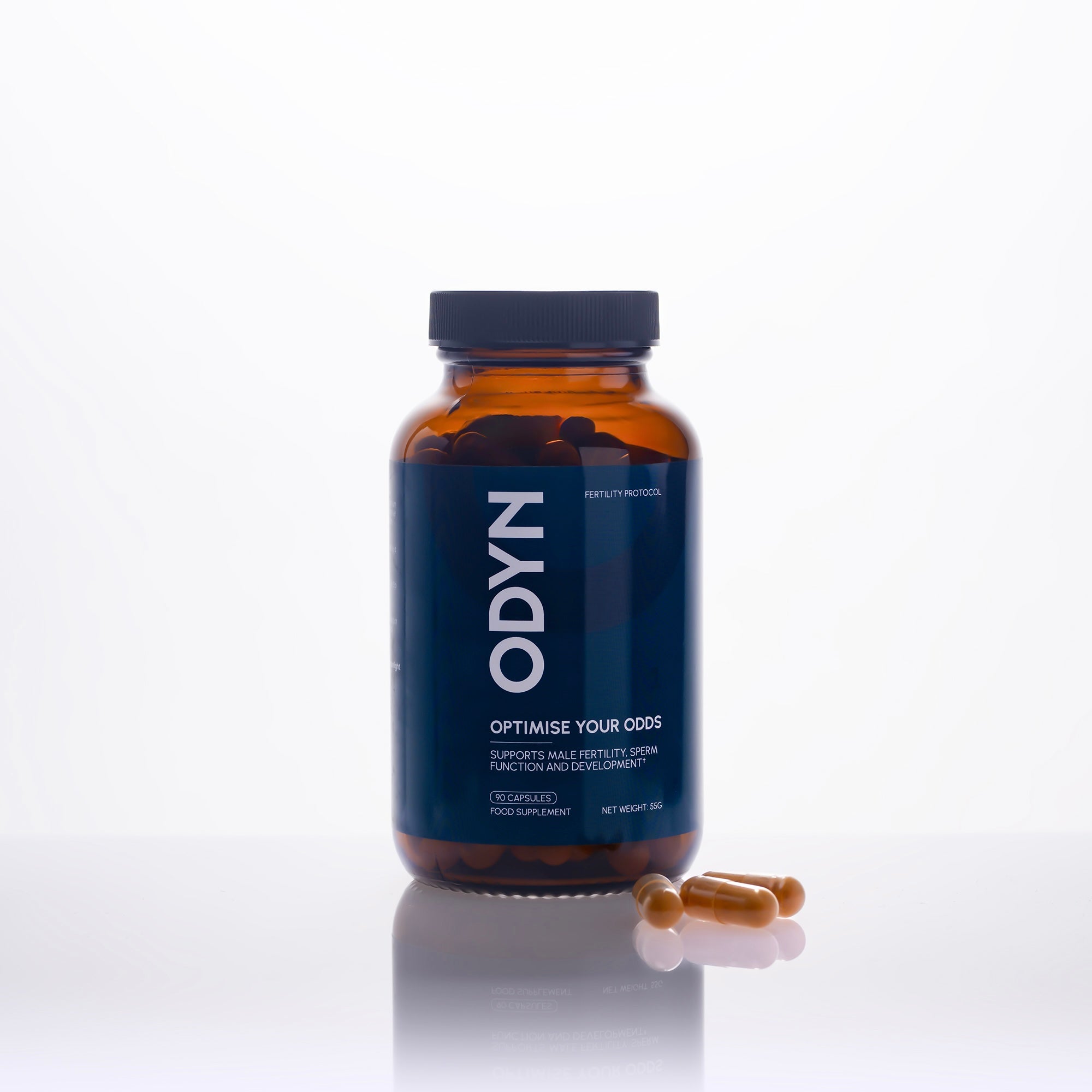
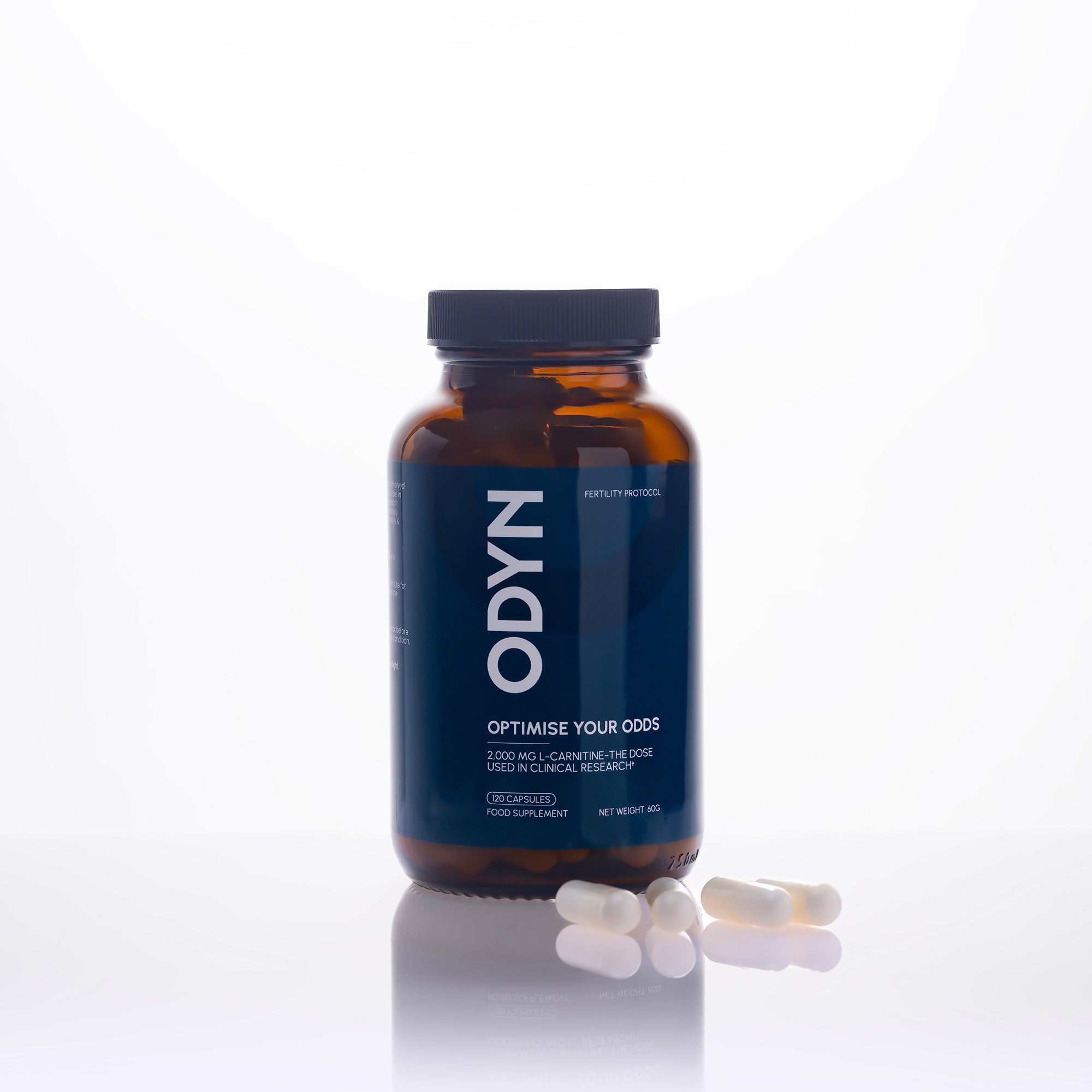
When I was building the ODYN Fertility Protocol, folate was one of the nutrients I knew had to be included.
It's one of ten ingredients, each included at a dose that means something rather than a token amount added to pad a label. No filler. No label-padding. No promises of overnight change. Just a 90-day protocol built around how sperm actually develop.
Explore the ODYN Fertility Protocol
A final word
Folic acid isn't just a women's supplement.
If you're thinking about starting a family, your folate status is worth thinking about.
Good luck.
Frequently Asked Questions
Do men need folic acid when trying to conceive? Folate (vitamin B9) plays a direct role in sperm DNA synthesis and has been linked to sperm DNA integrity, morphology, and motility. Maintaining adequate folate status when trying to conceive makes sense for men, even though most of the public messaging around folic acid is directed at women.
What's the difference between folic acid and folate? Folate is the naturally occurring form of vitamin B9, found in food. Folic acid is the synthetic version used in most supplements. Folic acid has to be converted by the body into its active form (methylfolate) before it can be used. A common genetic variation called MTHFR reduces the efficiency of that conversion in a significant portion of the population.
What is methylfolate and is it better than folic acid? Methylfolate (5-MTHF) is the active form of folate, so the form your body actually uses. Unlike folic acid, it doesn't require conversion and works regardless of your MTHFR status. Natural food-form folate is also preferable to synthetic folic acid for similar reasons. If you have a confirmed MTHFR variant and want specific guidance on which form suits you best, speak to your GP.
Does folic acid improve sperm quality? Observational studies consistently link lower folate levels to higher sperm DNA fragmentation.
What foods are high in folate for men? The best food sources are dark leafy greens (spinach, kale), legumes (lentils, chickpeas), eggs, liver, asparagus, avocado, and broccoli. Eating these raw or lightly cooked preserves more of the folate content, as heat can reduce it.
How much folate should men take? There's no firmly established male-specific dose for fertility purposes. Staying within the ranges supported by European food safety authorities is sensible without specific clinical guidance suggesting otherwise. If you're uncertain speak to your GP or consult a nutritional therapist.