There's already a huge amount of information out there about what women should eat when trying to conceive. Prenatal nutrition gets a lot (of rightly deserved) attention.
This post is about the male side. Which gets almost no coverage. And which, as I've said before, matters more than most men realise.
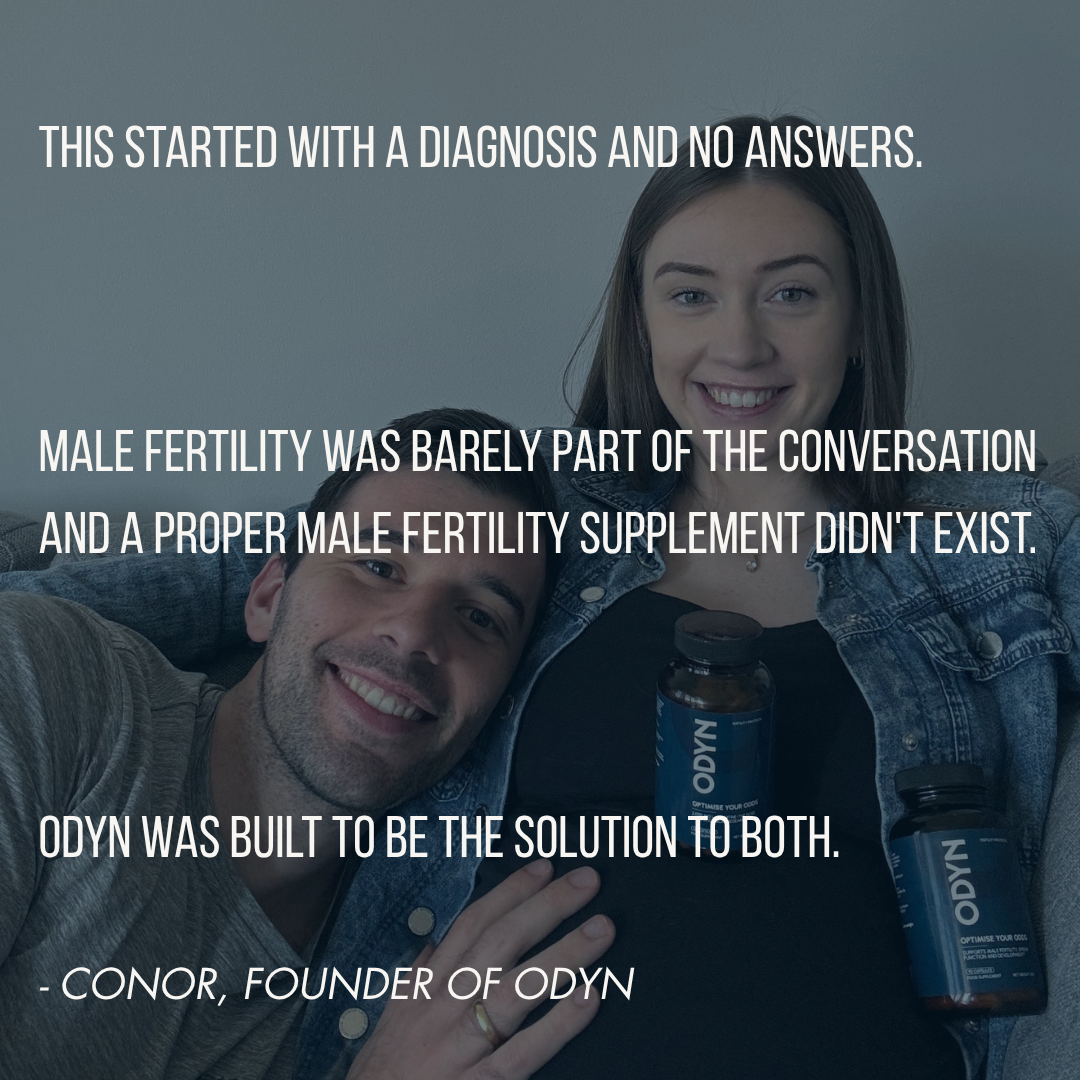
I didn't think much about my diet when we were trying to conceive. I wasn't eating terribly, but I wasn't eating with any intention either. That changed after my diagnosis. And the more I read, the more I realised that what you eat in the three months before trying has a direct effect on the sperm you produce.
Here's what the evidence actually says. If you are in doubt or looking for advice, please reach out to a nutritional therapist who specialises in fertility.
Why diet matters for sperm
Sperm are produced continuously, and they're sensitive to what's happening in your body throughout that process. They're particularly vulnerable to oxidative stress, which is damage caused by an imbalance between free radicals and the antioxidants your body uses to neutralise them.
Diet is one of the main levers you have over oxidative stress. It's also the primary source of the specific micronutrients required for healthy sperm production.
The full development cycle from sperm cell to mature sperm takes roughly 74 days. More on that here. What you eat today shapes the sperm you'll have in about two and a half months.
The dietary pattern with the most evidence
Before getting into specific nutrients, it's worth saying that the most consistently supported dietary pattern for male fertility in the research is the Mediterranean diet.
A 2024 systematic review found that adherence to the Mediterranean diet was positively associated with sperm quality across multiple studies. A meta-analysis published in 2025 found significant positive associations between Mediterranean diet adherence and sperm count, total motility, progressive motility, and normal morphology.
What does that look like in practice?
- Plenty of vegetables, especially leafy greens
- Oily fish (salmon, mackerel, sardines, anchovies) several times a week
- Legumes like lentils, chickpeas, black beans
- Whole grains
- Nuts and seeds, especially walnuts and pumpkin seeds
- Olive oil as the main fat
- Eggs
- Moderate amounts of poultry
- Less red meat, processed food, alcohol, and sugar
It's not a strict protocol. It's a general direction.
The specific nutrients that matter most
Within that broader pattern, certain nutrients appear consistently in the research on male fertility. These are the ones worth paying attention to.
Zinc
Zinc is probably the most important mineral for male reproductive health. It's required for testosterone production, for sperm formation, and for protecting sperm from oxidative damage. Low zinc levels are consistently associated with lower sperm count and reduced motility.
Best food sources: oysters (by far the highest), red meat, pumpkin seeds, legumes, eggs, nuts.
Folate (Vitamin B9)
Folate is involved in sperm DNA synthesis. Low folate levels have been linked to higher sperm DNA fragmentation — damage to the genetic material inside sperm. More detail on folate and sperm health here.
Best food sources: dark leafy greens, legumes, eggs, liver, avocado, asparagus.
Selenium
Selenium is an antioxidant mineral that protects sperm from oxidative damage and is associated with sperm motility. Deficiency is relatively common, particularly in Ireland and parts of Northern Europe where soil selenium levels are low.
Best food sources: Brazil nuts (two or three a day covers most people's needs), oily fish, eggs, meat.
One important note: selenium has a relatively narrow range between beneficial and excessive. If you're taking a supplement that includes selenium, like ODYN, be mindful of not also eating large quantities of Brazil nuts daily. The goal is to hit the right dose, not to exceed it. More is not better with selenium.
Vitamin D
Most people in Ireland and the UK are deficient in vitamin D, especially through autumn and winter. Low vitamin D has been associated with reduced testosterone levels and lower sperm motility.
You're not getting it from food in meaningful amounts. The main source is sunlight, which is limited here (in case that wasnt obvious as you look at the window at an undoubtedly overcast or rainy day in mid-May). Supplementation is worth considering for most men regardless of fertility intentions, but it's particularly relevant here.
Best food sources: oily fish, eggs, fortified foods, although diet alone rarely covers the gap.
CoQ10 (Coenzyme Q10)
CoQ10 is an antioxidant that's particularly relevant to sperm. It's involved in energy production and in protecting sperm DNA from oxidative damage.
Best food sources: oily fish, organ meats (especially heart and liver), beef, and to a lesser extent nuts and seeds. Levels in food are relatively low, which is why supplementation is often more practical for this one.
Vitamin C
Vitamin C is one of the primary antioxidants in seminal fluid, where it helps protect sperm from oxidative damage. Studies have linked higher vitamin C intake to reduced sperm DNA fragmentation and better motility.
Best food sources: citrus fruits, kiwi, strawberries, broccoli, tomatoes.
Vitamin E
Vitamin E works alongside vitamin C as a fat-soluble antioxidant that protects sperm cell membranes from oxidative damage. The two tend to work better together than either does alone.
Best food sources: nuts (almonds especially), seeds, olive oil, avocado, spinach.
Omega-3 fatty acids
Omega-3s (particularly DHA) are structural components of sperm cell membranes and are associated with better sperm motility and morphology. They also have anti-inflammatory properties that support the hormonal environment for sperm production.
Best food sources: oily fish (salmon, mackerel, sardines, herring), walnuts, flaxseeds, chia seeds.
What to reduce or cut out
This side of it is as important as what you add in.
Alcohol. Reduces testosterone, impairs motility, and increases oxidative damage to sperm DNA. Cutting back or eliminating for the three months before trying to conceive is one of the most impactful things you can do.
Ultra-processed food. A 2024 study found that higher ultra-processed food intake was associated with lower sperm viability and morphology. This category includes things like processed meats, packaged snacks, fast food, and most ready meals.
Sugar and refined carbohydrates. Linked to insulin resistance and inflammation, both of which can affect hormonal balance and oxidative stress levels.
Can you cover everything through diet alone?
Honestly, for most of the nutrients above, diet can get you a long way. The Mediterranean pattern described earlier hits a lot of them. If you aren't someone who enjoys this type of diet or are a useless cook (like myself) then you might need to consider supplementation.
If you do have a great diet, its worth noting some exceptions:
Vitamin D: hard to get from food in meaningful amounts in Ireland and the UK. Supplementation makes sense for most people regardless.
CoQ10: the amounts in food are relatively low. If you want to hit the doses used in fertility research, supplementation is usually more practical.
Selenium: Brazil nuts are the easiest dietary source, but if you're also taking a supplement that includes selenium, be careful not to double up heavily. Selenium has a relatively narrow range between adequate and too much. A couple of Brazil nuts occasionally is fine alongside a supplement. A handful every day alongside a supplement is worth thinking twice about.
What about supplements?
This is actually the whole point of a supplement and it's right there in the name. It's designed to fill the gaps that diet doesn't reliably cover, particularly for nutrients that are hard to hit consistently through food alone, or where regional deficiencies (like vitamin D and selenium in Ireland and the UK) make dietary sources unreliable.
The key word is supplement, not replacement. Diet and supplementation work together. And when it comes to selenium specifically, knowing what you're getting from both sides matters. Learn more on the best supplements here.
Key Takeaways
- What you eat in the three months before trying to conceive directly affects sperm quality
- The Mediterranean diet has the most consistent evidence behind it for male fertility
- Alcohol, ultra-processed food, trans fats, and excess sugar are all worth reducing
- Vitamin D and CoQ10 are the hardest to cover through diet alone
- Supplement quality varies significantly - dose matters as much as what's on the label
- For personalised guidance, speak to a registered nutritional therapist.
Where ODYN fits
When I was building ODYN, I wanted to make sure every ingredient was included at a dose that actually had a basis in the research and not just a token amount padded in to make a label look comprehensive.
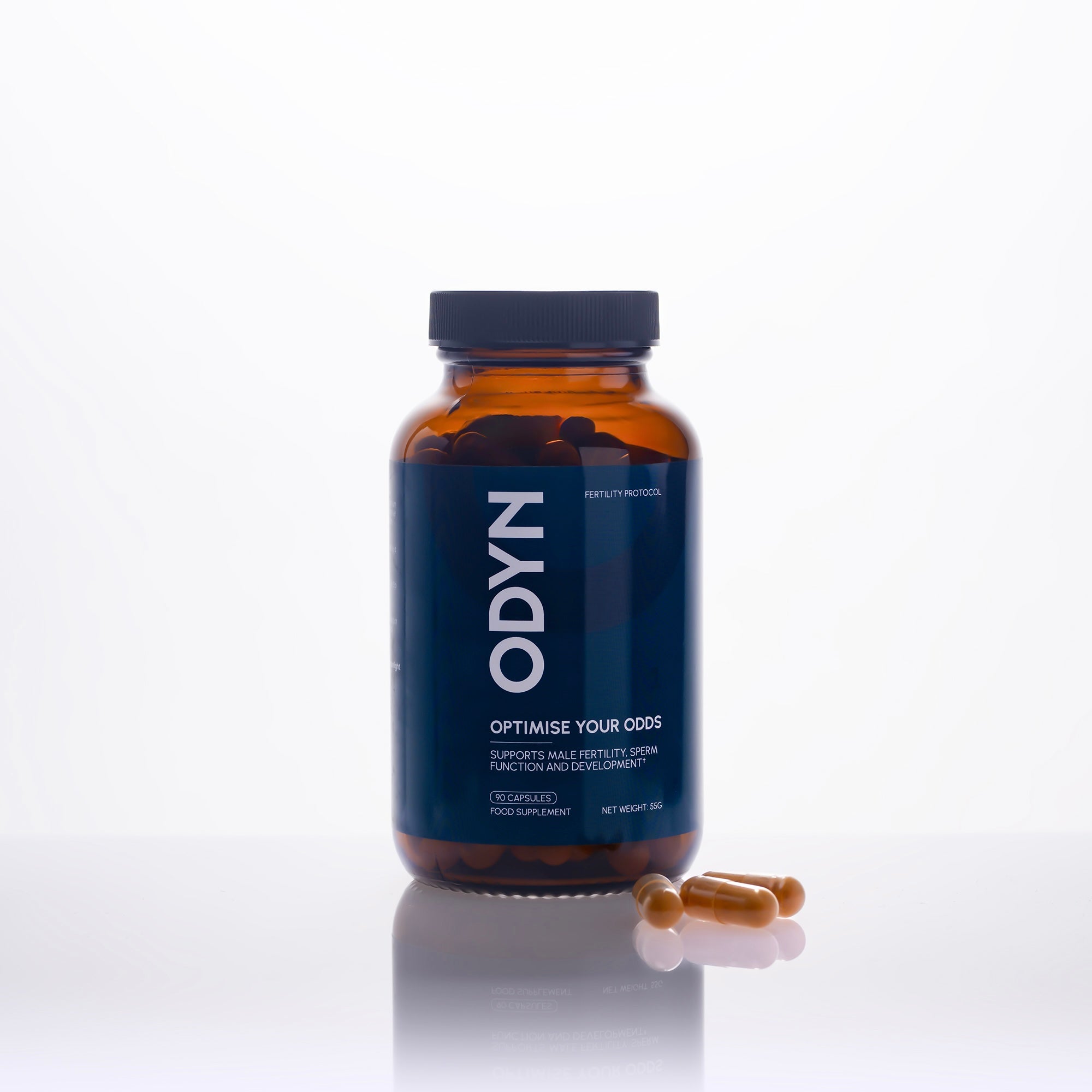
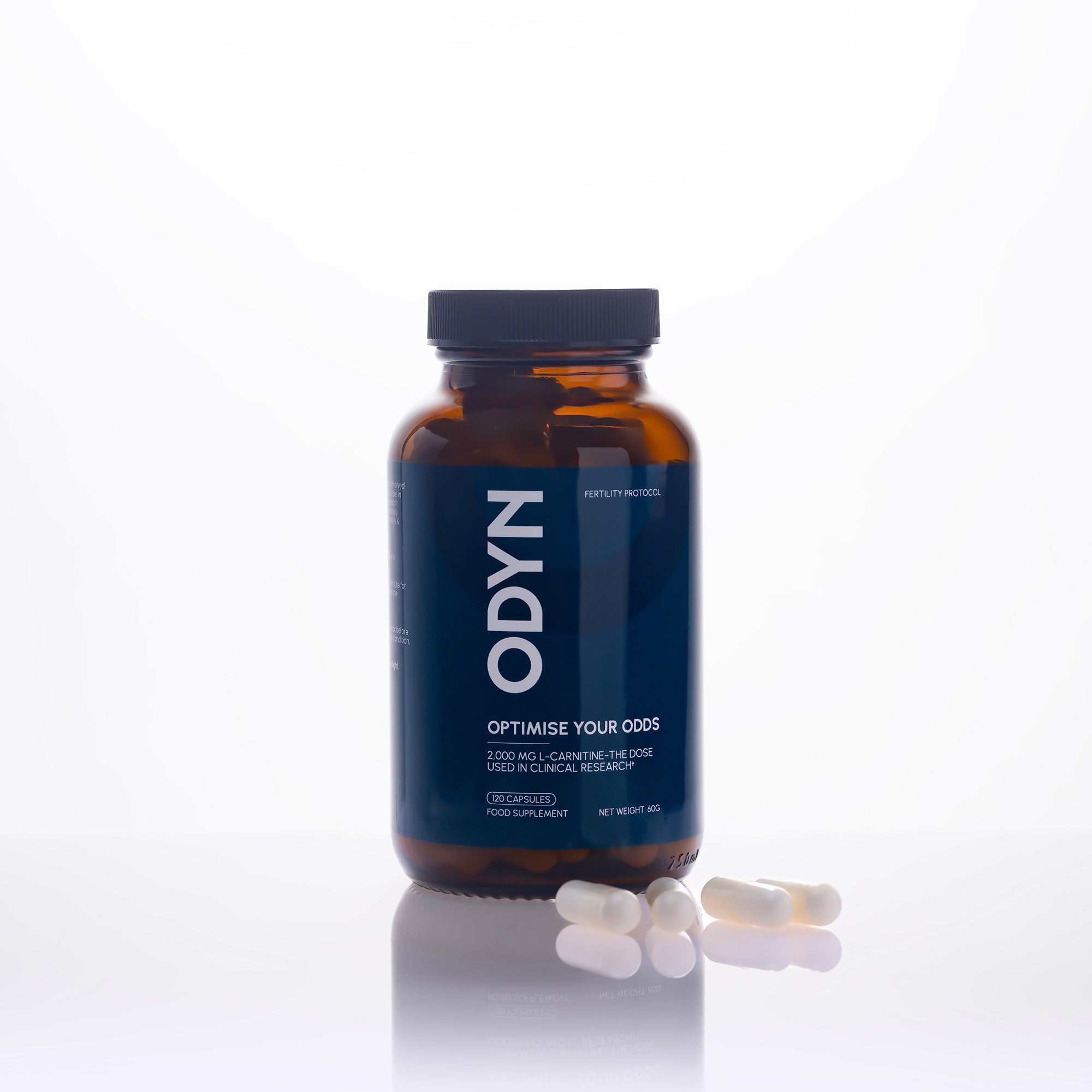
The ODYN Fertility Protocol covers the key micronutrients for sperm health in a single daily protocol — zinc, selenium, folate, vitamin D, CoQ10, vitamin C, vitamin E, and lycopene, alongside ashwagandha and maca. Ten ingredients, clinically dosed, designed around the 90-day sperm development cycle.
No filler. No label-padding. No promises of overnight change.
It's designed to work alongside a decent diet, not instead of one. Which also means being sensible about what you're getting from both sides — particularly for nutrients like selenium and vitamin D where dietary intake varies significantly person to person.
Explore the ODYN Fertility Protocol
A final word
Nutrition for fertility is one of those topics that can get complicated very quickly. The internet will send you down rabbit holes of specific foods, specific superfoods, specific things to avoid.
The honest answer is simpler than most of that. Eat in a way that supports your body's ability to produce healthy sperm. The Mediterranean pattern, with attention to the key micronutrients above, is a well-evidenced starting point. Don't eat in a way that actively works against you. If you know you aren't going to get the nutrients throuhg diet, then consider taking a male fertility supplement. Then be patient and consistent for three months (why 3 months?)
Good luck!
Frequently Asked Questions
Does diet really affect sperm quality? Yes. Sperm are sensitive to nutritional status, oxidative stress, and the internal environment of the body. Multiple studies have found associations between dietary patterns and sperm count, motility, morphology, and DNA integrity.
What is the best diet for male fertility? The Mediterranean diet has the most consistent evidence. It's high in vegetables, oily fish, legumes, whole grains, nuts, eggs, and olive oil, and lower in red meat, processed food, and alcohol. It's anti-inflammatory, antioxidant-rich, and covers many of the micronutrients relevant to sperm production.
What nutrients matter most for sperm health? The ones with the most research behind them: zinc, folate, selenium, vitamin D, CoQ10, vitamin C, vitamin E, and omega-3 fatty acids. Most of these can be covered through a Mediterranean-style diet, though vitamin D and CoQ10 are harder to get from food alone in Ireland and the UK. Selenium is worth being mindful of if you're supplementing and eating Brazil nuts regularly as it has a narrower range between adequate and excessive than most nutrients.
Does alcohol affect sperm quality? Yes. Alcohol reduces testosterone, impairs sperm motility, and increases oxidative damage to sperm DNA. Cutting back or eliminating alcohol in the three months before trying to conceive is one of the most direct dietary changes a man can make.
How long does it take for dietary changes to affect sperm? Sperm take roughly 74 days to develop. Meaningful changes from dietary improvements typically take two to three months to show up in sperm parameters. Starting at least 90 days before trying to conceive gives the best window.