Everyday Habits That Hurt Sperm Quality
Sperm quality is influenced by everyday lifestyle factors such as alcohol intake, sleep quality, stress, nutrition, smoking, and environmental exposure. Because sperm take around 74 days to develop, these habits can affect sperm health weeks or months before they are measured in a semen analysis. Improving sperm health often starts by identifying and correcting the daily habits that place stress on sperm development.
Unfortunately, supplements alone are not the answer. There are many everyday habits that can chip away at your sperm quality. Most of us don't even realise the harm until we're already facing fertility challenges. Here’s what you might be doing wrong (and ways to protect your future fertility).
Many of these factors influence sperm development over time. If you want to understand the biology behind this process, see How Long It Takes to Improve Sperm Quality.
1. Overdoing Alcohol
This is the hardest one for me (I love a creammmmy pint of Guinness). Having a pint or two is probably fine, but consistently heavy drinking can lower sperm counts, damage DNA quality, and reduce motility. The fix? Keep your drinking moderate (easy right?!?) - for me the first step was to switch over to the non-alcoholic version.
2. Excessive Heat Exposure
Saunas, tight underwear, laptops on your lap (don’t be fooled by the name). High heat kills sperm. Sperm cells need cooler-than-body temperature conditions to thrive. Give your sack some breathing room with looser clothing, keep laptops off your lap, and skip the scalding hot showers and saunas!
3. Poor Sleep Habits
Lack of quality sleep disrupts hormonal balance and sperm production. Prioritise 7-8 hours of restful sleep like your fertility depends on it (it does).
4. High-Stress Lifestyle
Stress triggers cortisol release, negatively impacting testosterone production and sperm health. Finding healthy ways to unwind (gym, walks, mindfulness) can boost your fertility significantly.
5. Nutritional Neglect
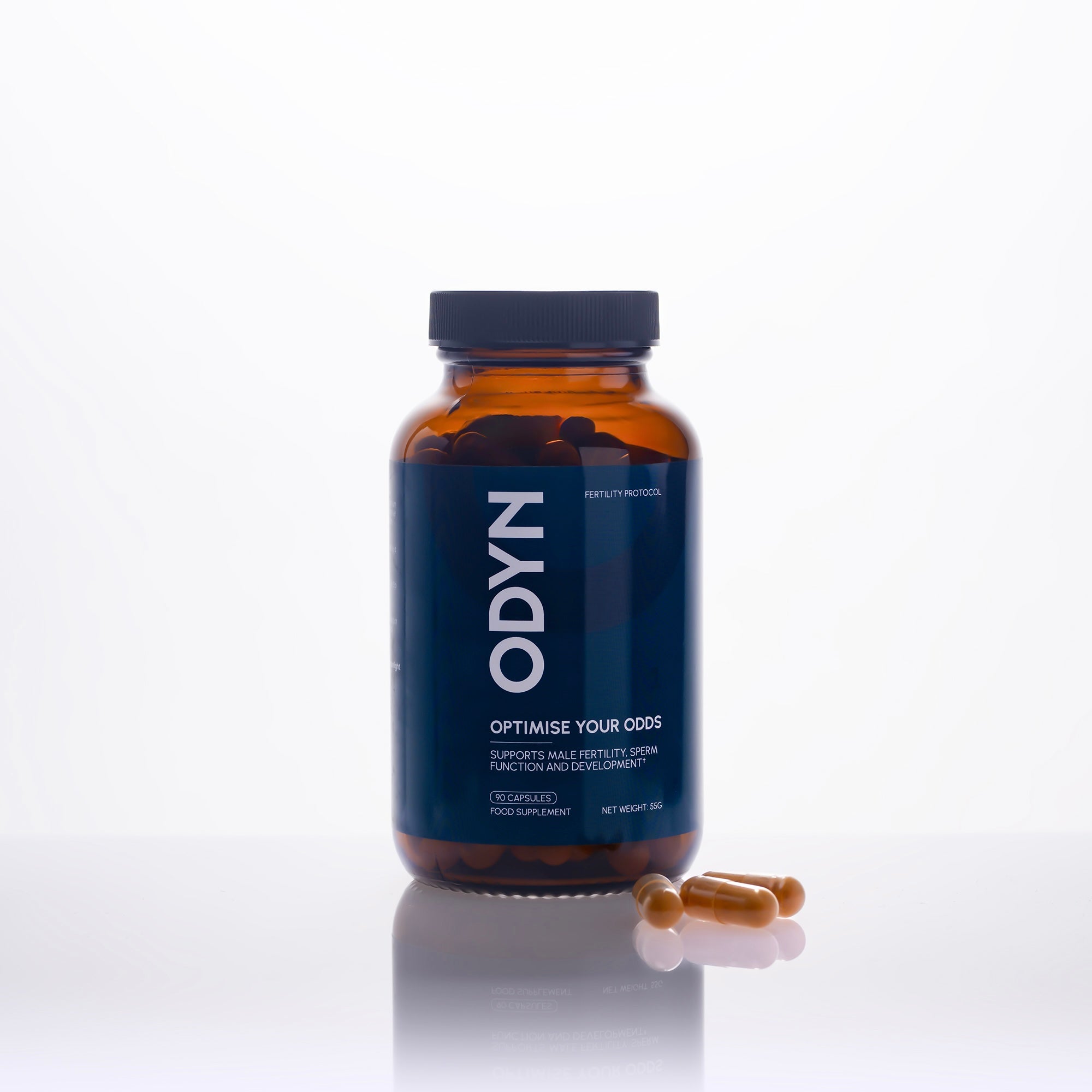
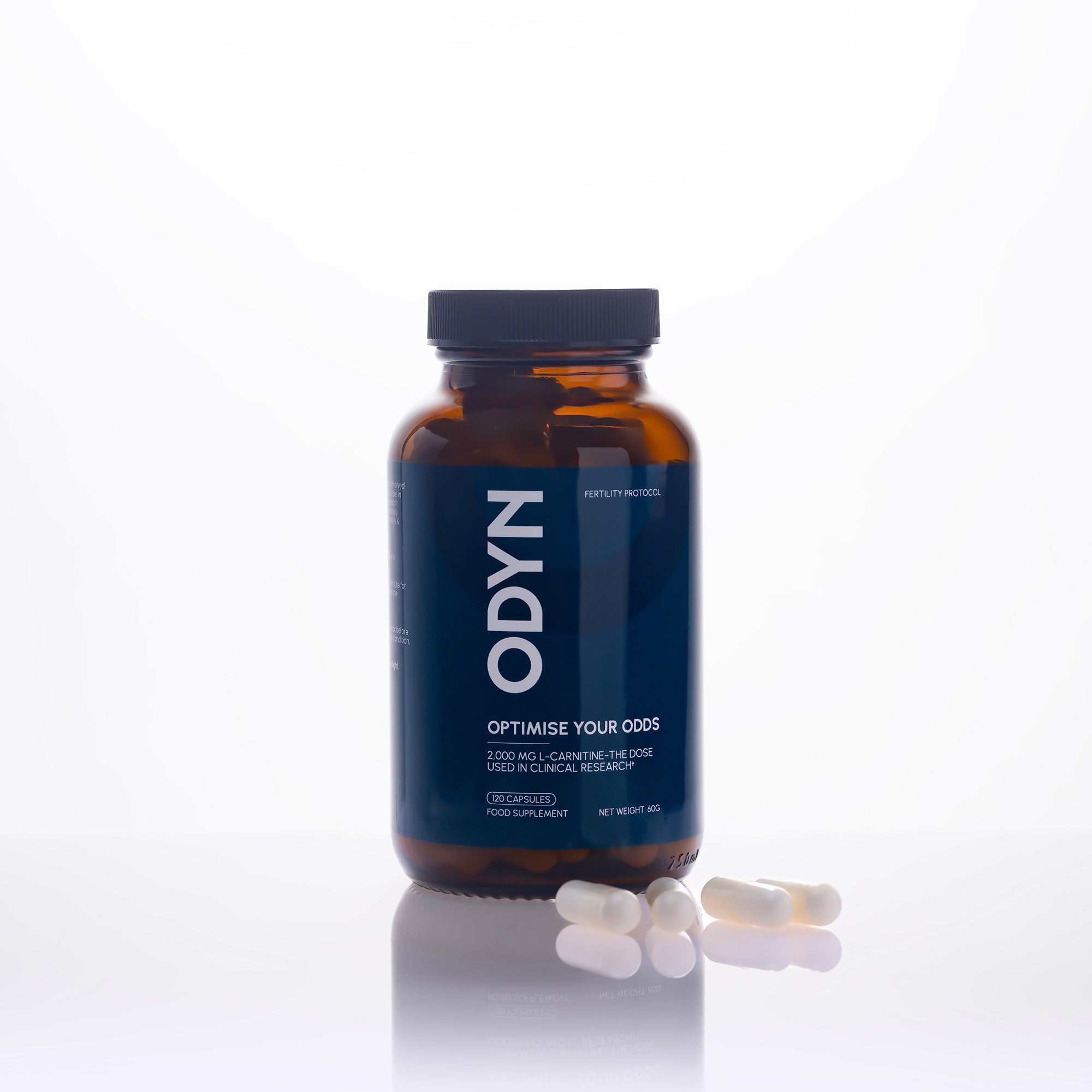
Junk food, processed sugars, and diets lacking essential nutrients like Zinc, Vitamin D, and antioxidants cripple sperm health. Improving your diet, adding targeted supplementation (like ODYN's fertility protocol’s clinically-backed ingredients), and staying hydrated will dramatically enhance sperm quality.
6. Smoking and Vaping
This one is probably more obvious but smoking is one of the worst things you can do for your sperm. It slashes sperm count, damages DNA, and tanks motility rates. Vaping isn't much better (nicotine is nicotine). If quitting feels impossible, get proper support. Your overall health, your sperm and future you will thank you for it.
7. Sedentary Lifestyle (Couch Potato)
Sitting on your arse all day isn't doing your fertility any favours. Prolonged sitting increases scrotal temperature and reduces sperm quality. The fix is well within your control: Get moving. Even 30 minutes of regular exercise can boost sperm parameters. Stand up regularly, take walks, hit the gym. Your sperm needs you active, not planted in a chair.
8. Environmental Toxins
Your everyday environment is quietly sabotaging your sperm. Pesticides on food, BPA in plastic containers, cleaning chemicals. These all mess with hormone levels and sperm health. Choose organic when possible, ditch plastic food containers for glass, use natural cleaning products, and be more conscious of your choices. You can't avoid everything, but small swaps make a real difference.
Here's the good news: correcting these habits is totally doable. Small changes now can have a huge impact on your future fertility.
Ready to proactively protect your sperm health? See how ODYN’s Fertility Protocol formulation directly addresses these issues at their root.
[Check out the ODYN Fertility Protocol].
Frequently asked questions
Can lifestyle really affect sperm quality?
Yes. Lifestyle factors such as alcohol intake, sleep quality, stress, smoking, and nutrition can all influence sperm production and function over time.
How long does it take lifestyle changes to improve sperm quality?
Sperm take around 74 days to develop, so improvements from lifestyle changes usually appear after 2–3 months.
Does exercise improve sperm health?
Moderate regular exercise is associated with better overall reproductive health and hormone balance. However, extreme overtraining may have the opposite effect.