IVF is usually framed as something that happens to women. And in terms of the physical process, that's mostly true. The injections, the scans, the egg retrieval, the transfer - she carries all of that.
But IVF doesn't bypass the male side of the equation. It works with whatever sperm you bring to the table.
During our journey, IVF was something we thought we would need, but thankfully didn't require in the end. When we were going through this, I found almost nothing written for men that wasn't a 5000-word medical paper I couldn't make sense of. This is my attempt at something more useful than either of those.
What IVF actually does (and why your sperm quality still matters)
IVF involves retrieving eggs, fertilising them in a lab, and transferring an embryo back to the uterus. During fertilisation, embryologists select the best available sperm from your sample to fertilise the egg.
The word "best available" is something I say purposefully. They're working with what you give them.
Sperm quality (count, motility, morphology, and DNA integrity) influences fertilisation rates, embryo quality, and the likelihood of a successful transfer. A 2019 study in Human Reproduction found that sperm DNA fragmentation significantly affects IVF outcomes, including blastocyst development and live birth rates.
You can have a perfectly normal sperm count and still have high DNA damage. A standard semen analysis won't tell you that.
The other thing worth knowing: sperm take roughly 74 days to develop from start to finish. Learn more on that timeline and what matters here. That means your sample on egg retrieval day reflects choices made about three months earlier. The 90-day window before your partner's egg retrieval is genuinely the highest-leverage period you have.
What should a man actually do before IVF?
Get a proper semen analysis done (including DNA fragmentation)
Standard semen analyses measure count, motility, and morphology. They don't measure DNA integrity.
Ask your clinic about sperm DNA fragmentation testing (also called DFI testing). Some clinics offer it as standard. Others don't unless you ask. If high DNA fragmentation is identified, it changes how the clinic might approach fertilisation, including whether ICSI makes more sense than standard IVF.
Don't assume you've been given the full picture until you've specifically asked about this.
Address the basics early
This sounds obvious. It is obvious. It also has more impact than most men expect.
|
Factor |
What the research shows |
|
Heat |
Scrotal temperature needs to be lower than core body temp for healthy sperm production. Laptops on laps, saunas, hot baths, tight underwear all raise it. |
|
Alcohol |
Reduces testosterone, impairs motility, increases DNA damage. Cutting back or eliminating for 90 days is meaningful. |
|
Smoking |
Significantly reduces count and motility, increases DNA fragmentation. One of the most impactful things to stop. |
|
Sleep |
This is when testosterone is produced and cellular repair happens. Less than 7 hours consistently shows up in hormone levels. |
|
Exercise |
Moderate, regular exercise supports testosterone and reduces oxidative stress. Heavy endurance training or steroid use can work against you. |
None of this is surprising. But I'd encourage you not to underestimate how much it compounds. I've written about this in more detail here.
Take nutrition seriously
Sperm production is nutritionally demanding. Specific micronutrients come up repeatedly in the research on sperm health.
|
Nutrient |
Role |
|
Zinc |
Testosterone production, sperm formation |
|
Folate |
Sperm DNA synthesis |
|
Selenium |
Antioxidant protection |
|
Vitamin D |
Motility, testosterone levels |
|
CoQ10 |
Energy supply to sperm cells, antioxidant |
|
Vitamin C + E |
Reduce oxidative damage to sperm DNA |
A Mediterranean-style diet is the most well-researched dietary pattern for male fertility. What does that men? Well it's usually high in oily fish, vegetables, legumes, nuts, and olive oil. Lower in processed food and alcohol.
If you're not confident you're covering these through diet (or like me you aren't the most talented chef), a targeted supplement with clinically meaningful doses is worth looking at. Most supplements on the market include the right ingredients at doses too low to matter. Dose is as important as ingredient list.
What about the emotional side?
Nobody really prepares you for what IVF actually feels like as the male partner. Even though we didn't need it in the end, I still had a lot of mental anguish over the fact that it was my fault we were struggling to concieve.
I think the most useful thing I can say is this: preparation is your involvement and can give you a sense of "contributing". The three months before egg retrieval are the period where you have direct influence over outcomes. That's not nothing. That's actually quite a lot.
The two-week wait after transfer is its own kind of difficult. Most couples prepare for the clinical parts and underestimate how hard the waiting is psychologically. Have a plan for how you're spending that time. Sitting refreshing your phone is not a plan.
Talk to other men who've been through it if you can. More of them have than you'd expect. The silence around this doesn't reflect how common it actually is.
A word on success rates
Globally, IVF success rates per cycle are roughly 30 to 40% for women under 35. They decline with age.
This isn't pessimism. It's just the reality of the process, and going in with accurate expectations protects you both. Not every cycle works. Some couples need multiple rounds. Some people reach the end of the process without the outcome they wanted.
Your preparation doesn't guarantee an outcome. But it gives you the best possible starting position.
Key Takeaways
-
Sperm quality directly affects IVF fertilisation rates and embryo quality
-
The 90 days before egg retrieval are the most impactful window for male preparation
-
Ask specifically about sperm DNA fragmentation testing. It's not usually included in standard analyses
-
Heat, alcohol, smoking, and sleep are the highest-leverage lifestyle factors
-
Key nutrients include zinc, folate, selenium, vitamin D, CoQ10, and antioxidants
-
Don't feel like there is nothing you can do. You can prepare and get your sperm into the best possible shape.
Where ODYN fits
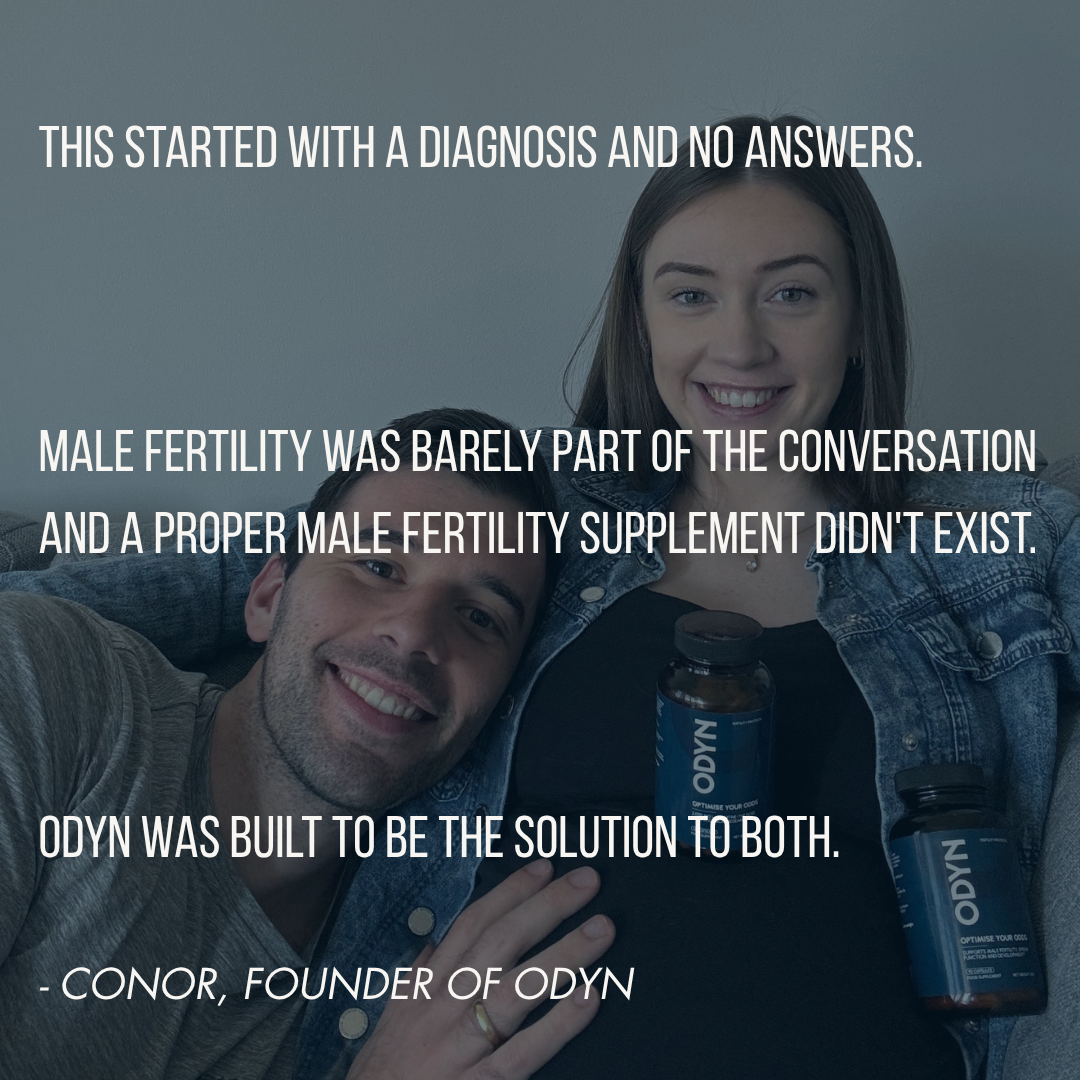
When I was going through my own fertility issues, I needed a structured way to support sperm health . At my worst point I was taking close to 14 tablets a day from separate products just to hit doses that were actually backed by evidence.
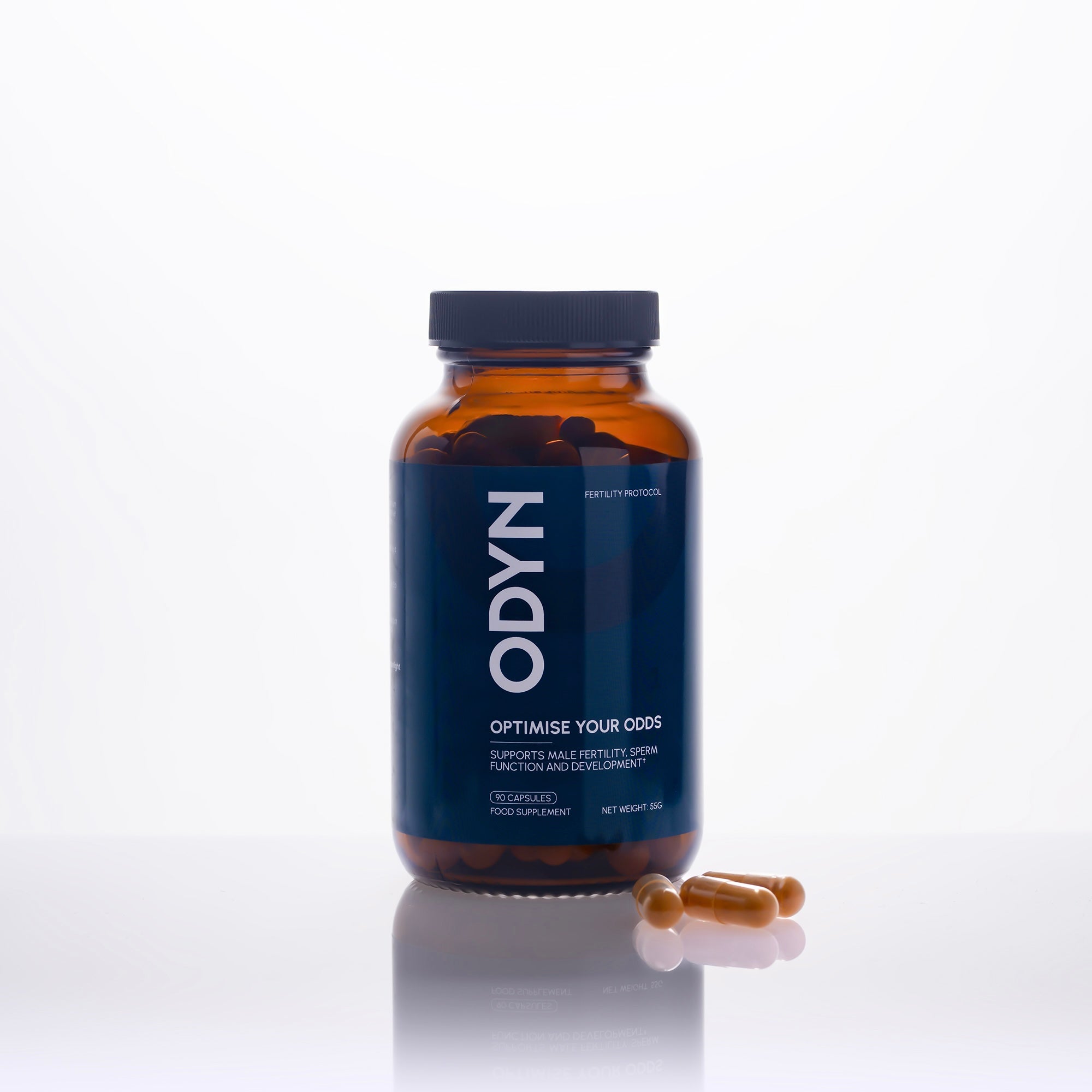
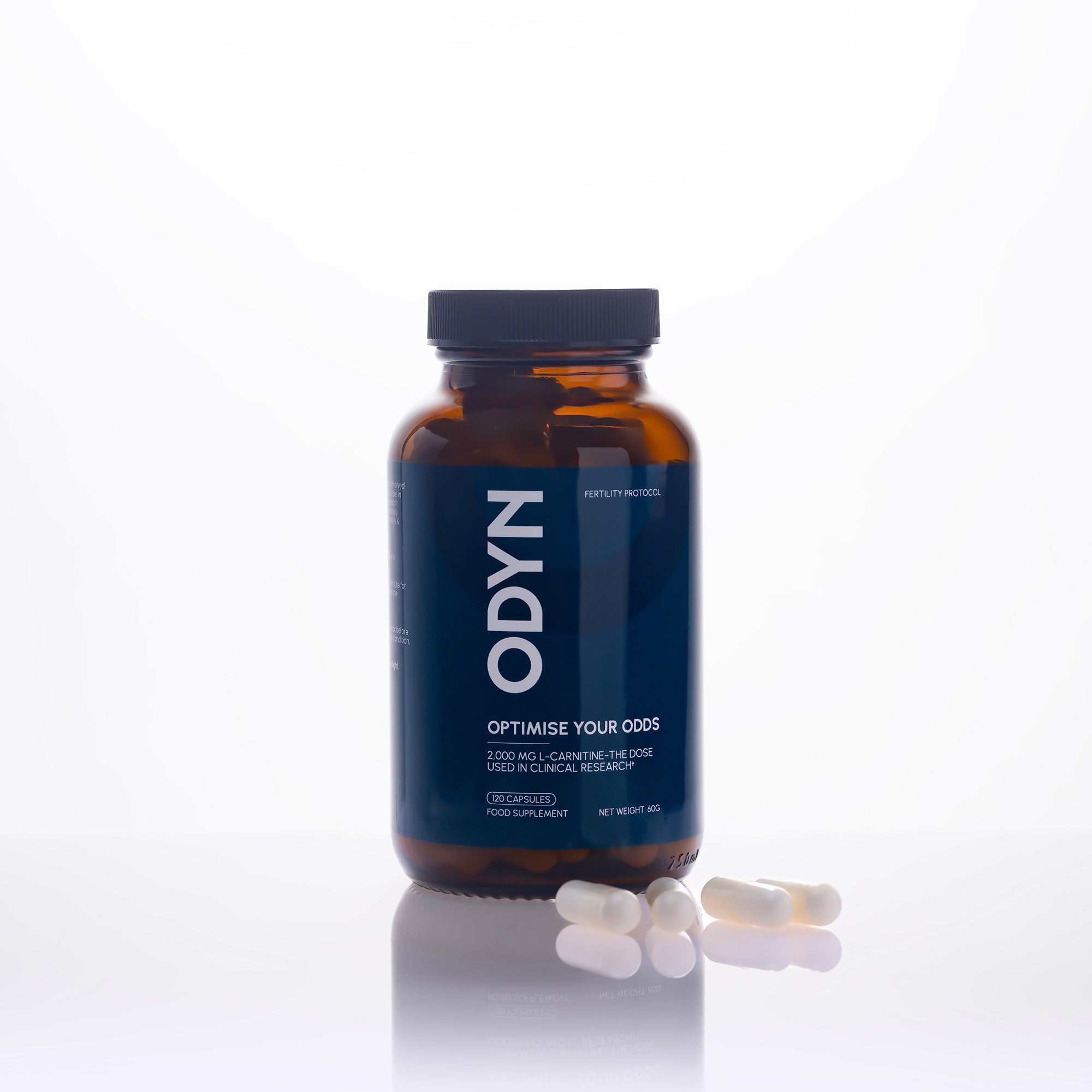
ODYN was built from that experience to give men a single, clinically dosed protocol designed around how sperm actually develop,, with the right ingredients at meaningful doses.
No filler. No label-padding. No promises of overnight results.
For men going into IVF, the logic is straightforward: the sperm you produce over the next three months are the ones being used. Supporting that process as well as you can is the one thing within your direct control.
Explore the ODYN Fertility Protocol
Frequently Asked Questions
Does sperm quality actually affect IVF success rates? Yes. Sperm count, motility, morphology, and DNA integrity all affect fertilisation rates and embryo quality during IVF. A 2019 study found sperm DNA fragmentation significantly impacts blastocyst development and live birth rates.
What is sperm DNA fragmentation and should I get tested for it? DNA fragmentation refers to damage in the genetic material inside sperm cells. Unlike count and motility, it isn't captured in a standard semen analysis. Many fertility clinics consider fragmentation levels below roughly 20 to 25% to be favourable, though interpretation varies by testing method. If you're preparing for IVF, it's worth asking your clinic about this test specifically.
How long before IVF should a man start preparing? Ideally at least 90 days before egg retrieval. This is because sperm take around 74 days to develop from start to finish, meaning the choices you make now affect the sample you'll produce in three months. If you have less time than that, start anyway - even six weeks of meaningful changes can shift things.
Does stopping alcohol and smoking really make a difference? The research is fairly consistent here. Alcohol reduces testosterone, impairs motility, and increases DNA damage. Smoking significantly reduces count and motility and increases fragmentation. Both are modifiable factors with clear effects on sperm quality. Eliminating or significantly reducing both for the 90 days before IVF is one of the most impactful things you can do.
What if my semen analysis looks normal? Do I still need to prepare? Yes. A normal semen analysis doesn't capture DNA integrity, and sperm quality exists on a spectrum rather than a simple pass/fail. Fertilisation, embryo quality, and transfer outcomes are all influenced by sperm health beyond the parameters in a basic analysis. In other words: you can always have "better" sperm.
What is ICSI and is it relevant to me? ICSI (intracytoplasmic sperm injection) involves injecting a single selected sperm directly into the egg, bypassing the normal fertilisation process. Some clinics recommend it in cases of high DNA fragmentation or poor morphology. Whether ICSI is right for your situation is a clinical decision.