Giving a semen analysis is one thing, getting a semen analysis back can feel a whole lot more uncomfortable.
You’re handed a page of numbers, unfamiliar terms, and reference ranges. Often with little explanation of what actually matters, what doesn’t, and almost never a guide on what (if anything) you should do next.
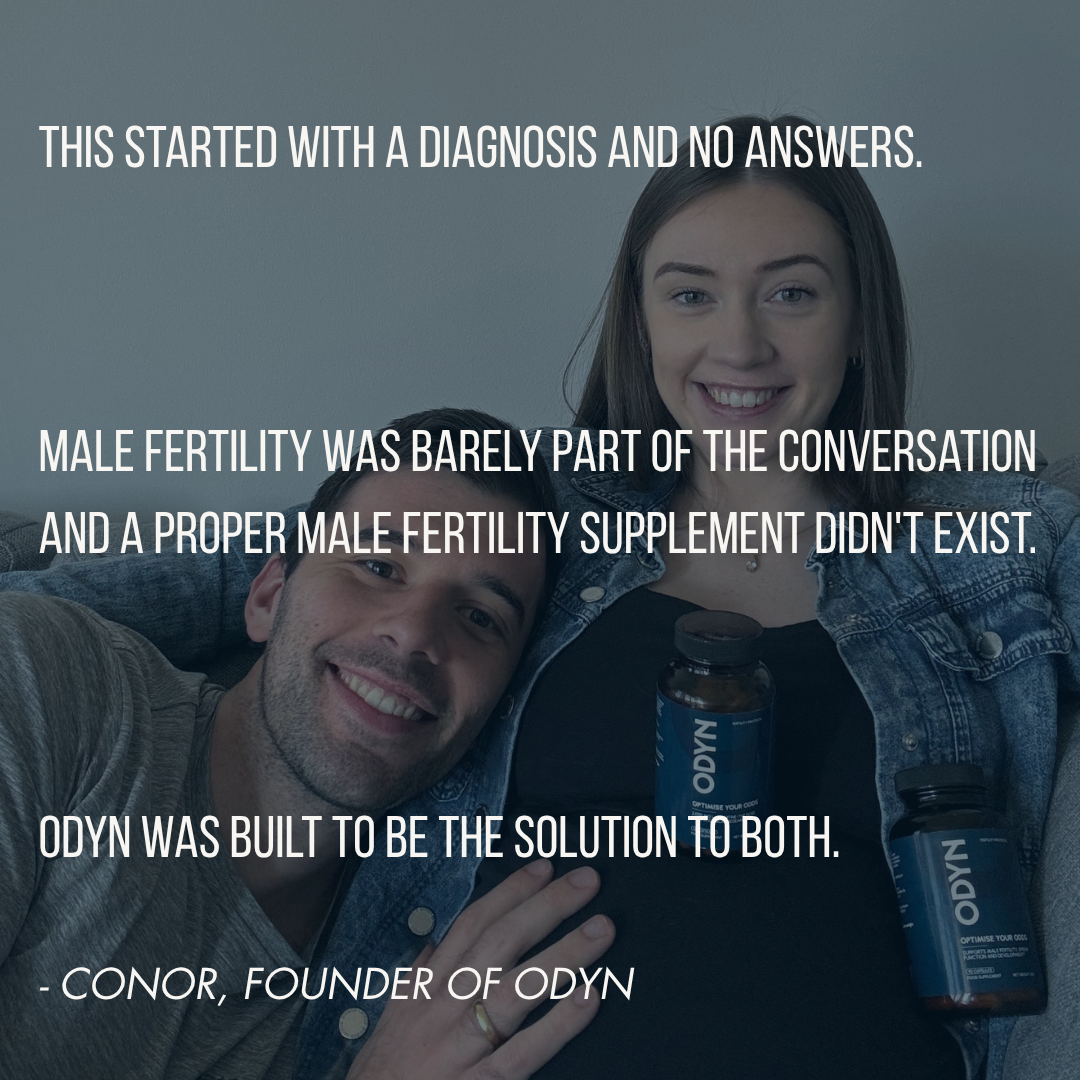
In my case, I was told my results by my doctor but honestly, he didn't really explain much past "You probably can't have kids". So I was forced to dive deep into the topic myself.
This page exists to give context. Not to diagnose, and not to over-simplify, but to help you understand what a semen analysis really shows, what it doesn’t, and how to think about the results without spiralling. This is based on my own experience and research.
What a semen analysis actually measures
A standard semen analysis looks at a few key parameters that describe how sperm appear and behave at the time of testing.
The main ones are:
-
Volume – how much semen is produced
-
Sperm concentration – sperm per millilitre
-
Total sperm count (Volume x Concentration) – total sperm in the sample
-
Motility – how well sperm move
-
Morphology – the shape and structure of sperm
Together, these give a snapshot of sperm quantity and surface-level function.
What do healthy sperm parameters look like?
According to the WHO 2021 semen analysis guidelines, the lower reference limits are approximately:
| Parameter | WHO reference value |
|---|---|
| Semen volume | 1.4 mL or more |
| Sperm concentration | 16 million per mL |
| Total sperm count | 39 million per sample |
| Total motility | 42% or more |
| Progressive motility | 30% or more |
| Morphology (normal forms) | 4% or more |
What’s important to understand is that these numbers are descriptive, not predictive. They describe what was seen in one sample, on one day and not what’s possible long-term.
What a semen analysis does NOT measure
This is where a lot of confusion comes from.
A standard semen analysis does not assess:
-
DNA quality inside the sperm
-
Oxidative stress levels
-
Hormonal drivers of sperm production
-
How sperm perform during fertilisation
-
Underlying inflammation or cellular stress
So it’s entirely possible for results to look “within range” while something deeper is still limiting progress.
This doesn’t make semen analysis useless. It just means it’s one layer of information, not the whole picture.
Common semen analysis issues
When people receive a semen analysis report, the result usually comes down to one or more sperm parameters falling outside the typical reference ranges.
Seeing these labels on a report can feel intimidating, especially when they’re written in medical terms that nobody explains properly.
But most of the time, these terms are simply descriptions of what was measured in that sample, not a final diagnosis.
Some of the most common findings include:
Low sperm motility (asthenozoospermia)
Motility refers to how well sperm move, particularly their ability to swim forward.
Movement matters because sperm need to travel through the reproductive tract in order to reach and fertilise an egg.
When motility is reduced, fewer sperm are able to complete that journey effectively.
Learn more: Low Sperm Motility (Asthenozoospermia) Explained
Poor sperm morphology (teratozoospermia)
Morphology describes the shape and structure of sperm.
Only sperm that meet very strict criteria are classified as “normal”, which is why morphology percentages can look alarmingly low even in fertile men.
A low morphology result doesn’t necessarily mean fertilisation is impossible, but it does indicate that a higher proportion of sperm have structural abnormalities.
Learn more: Poor Sperm Morphology (Teratozoospermia) Explained
Low sperm concentration or count (oligospermia)
Sperm concentration measures how many sperm are present per millilitre of semen.
When concentration is below reference ranges, the term oligospermia is often used.
Lower sperm counts simply mean fewer sperm are present in the sample. Like most semen analysis findings, it describes what was observed at that moment in time rather than explaining why it happened.
Learn more: Sperm Concentration & Volume Explained
Sperm DNA fragmentation
Sometimes semen analysis parameters appear normal, yet fertility challenges still occur.
One possible reason is sperm DNA fragmentation, which refers to damage within the genetic material carried by sperm.
This type of testing isn’t typically included in a standard semen analysis and usually requires a separate laboratory test.
Learn more: Sperm DNA Fragmentation Explained
Why context matters
One of the biggest mistakes I made early on was assuming these labels were a final verdict on my fertility.
But semen analysis results are often far more dynamic than they appear.
Because sperm develop over several weeks, results can change depending on what the body was dealing with during the previous two to three months.
Illness, stress, sleep, alcohol intake, and nutrition can all influence sperm development.
Which is why results are usually best interpreted over time, rather than based on a single test.
How to think about results without spiralling
This is the part that doesn’t get talked about enough. I never really thought about my fertility and I most certainly wasn't prepared for bad results. It made me question a lot.
I go into that more in the story behind ODYN.
Your result is not a verdict, and it’s not a reflection of effort, masculinity, or future outcomes.
What helped me most was stepping back from individual numbers and focusing on:
- Seeing improvements over time
- What could realistically be influenced
- Practicing patience rather than urgency
Understanding the test changed how I responded to it and that alone made the process feel more manageable.
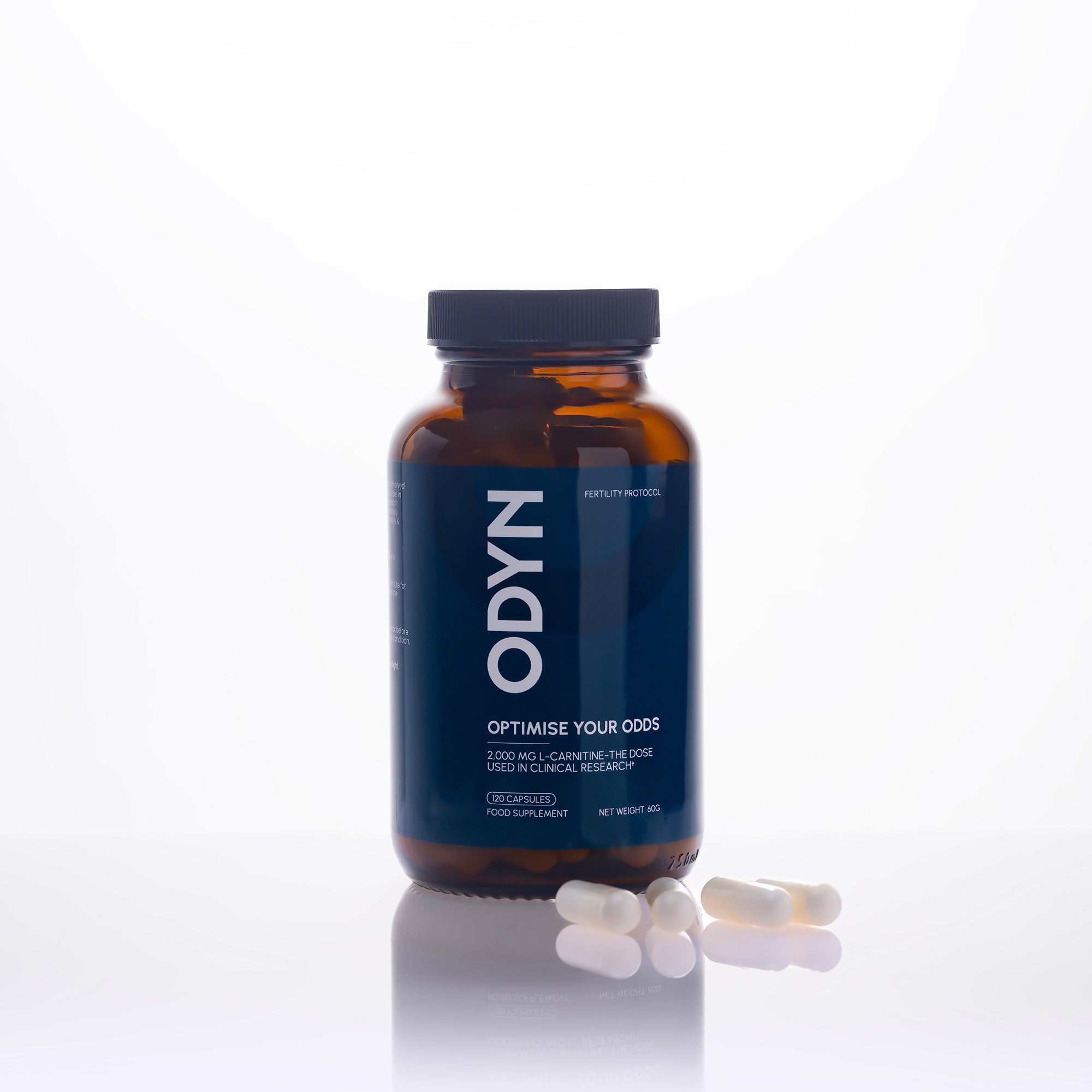
Where ODYN fits
ODYN wasn’t designed to target a single sperm parameter.
It was built to support sperm development as a process, recognising that morphology, motility, volume, and DNA integrity are all influenced by the same underlying conditions over time.
That’s why ODYN is built around:
-
A 90-day timeframe
-
Clinically meaningful doses, not label-padding
-
Supporting sperm health as a process, not a quick win
It’s not a guarantee, and it’s not for everyone. It’s for men who want a structured, evidence-led way to take responsibility for their side of the equation.
Explore the ODYN Fertility Protocol
Key takeaway
A semen analysis doesn’t tell you everything, but it can tell you enough to move forward calmly.
When you understand what it measures, what it misses, and how results change over time, the numbers stop feeling like a judgement and start becoming information you can actually use.
Frequently Asked Questions
How often should you repeat a semen analysis?
Doctors often recommend repeating testing after 8–12 weeks, because sperm take around 74 days to fully develop.
Can semen analysis results change over time?
Yes. Sperm health reflects the previous few months of health, lifestyle, and environmental exposure, which means results can improve or worsen over time.
Why can semen analysis results vary between tests?
Sperm production is influenced by many short-term factors, including illness, stress, sleep, heat exposure, alcohol, and diet. Because of this, two tests taken weeks apart can show different results, which is why doctors often look at trends rather than a single sample.