What Is Sperm DNA Fragmentation?
Sperm DNA fragmentation refers to damage within the genetic material carried by sperm. Even when sperm count, motility, and morphology appear normal on a standard semen analysis, the DNA inside the sperm can still be compromised. Elevated DNA fragmentation levels have been associated with reduced fertilisation potential and lower embryo quality, which is why specialised testing is sometimes recommended.
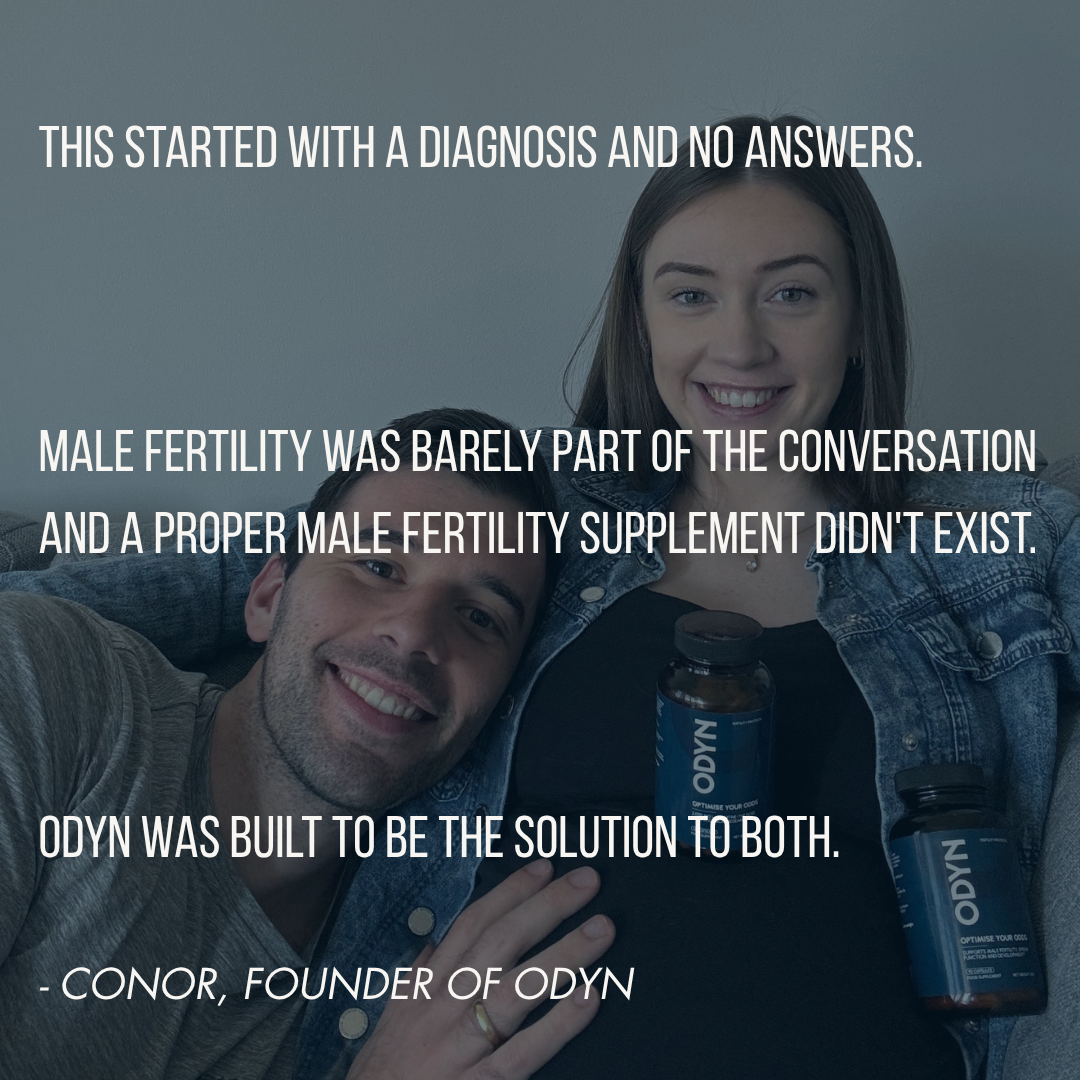
Sperm DNA fragmentation is one of the parameters that often gets overlooked. Its usually not part of a sperm analysis and for me personally, was something I had to ask for proactively.
You might be told that count, motility, and morphology look “fine”, yet DNA fragmentation is elevated. Or you may be advised to test it without really understanding why.
This page explains what sperm DNA fragmentation actually is, why it matters, how it’s tested, and what can realistically influence it over time.
What is sperm DNA fragmentation?
Sperm DNA fragmentation refers to damage within the genetic material carried by sperm.
Even when sperm look normal under a microscope and move well, the DNA inside them can still be compromised. This damage can affect how sperm function during fertilisation and early embryo development.
In simple terms:
-
Count, motility, and morphology describe what sperm look like and how they behave
-
DNA fragmentation describes what’s happening inside them
Why DNA fragmentation isn’t picked up on a standard semen analysis
A routine semen analysis does not assess DNA quality.
This doesn’t mean standard tests are useless. It just means they’re looking at different layers of sperm health.
DNA fragmentation testing adds another lens, particularly when:
-
Results don’t fully explain what’s happening
-
Outcomes don’t match expectations
-
There’s a sense that something is being missed
What causes sperm DNA fragmentation?
DNA damage in sperm is most commonly associated with oxidative stress - an imbalance between free radicals and the body’s ability to neutralise them.
Contributing factors often include:
-
Oxidative stress from lifestyle, illness, or inflammation
-
Poor sperm maturation during development
-
Heat exposure, fever, or infection
-
Smoking, alcohol, and environmental toxins
-
Chronic stress and poor sleep
-
Age, particularly when combined with other stressors
Importantly, these influences act during sperm development, not at the moment of testing.
Everyday Habits Hurting Your Sperm
Why DNA fragmentation matters
High levels of DNA fragmentation don’t automatically prevent conception but they can make the process less efficient.
DNA damage has been associated with:
-
Reduced fertilisation potential
-
Lower embryo quality
-
Increased likelihood of early developmental issues
That’s why DNA fragmentation is often discussed in more complex fertility journeys, or when outcomes don’t match what standard results would suggest.
How is DNA fragmentation tested?
DNA fragmentation is assessed using specialised lab tests, which are separate from routine semen analysis.
These tests:
-
Require a clinical or lab setting
-
Measure the proportion of sperm with damaged DNA
-
Can vary slightly in method and thresholds
Results should always be interpreted in context, alongside other sperm parameters and clinical history.
At-home testing kits generally cannot assess DNA fragmentation reliably, which is why lab-based testing is usually recommended when this question is relevant.
What level of DNA fragmentation is considered high?
There is no World Health Organisation (WHO) definition for this, unlike other sperm parameters. Different laboratory tests use slightly different thresholds, but many clinics interpret results roughly as:
| DNA Fragmentation Index (DFI) | Interpretation |
|---|---|
| Below 15% | Generally considered low |
| 15–25% | Moderate |
| Above 25–30% | Elevated |
Can sperm DNA fragmentation improve?
In many cases, yes, particularly when the underlying sources of stress are addressed.
Like other sperm parameters, DNA integrity reflects conditions during the previous two to three months. Improvements depend on reducing damage during development and allowing enough time for healthier sperm to mature.
How Long Does It Take to Improve Sperm Quality?
What can help reduce sperm DNA fragmentation?
There’s no single intervention that “fixes” DNA fragmentation, but approaches commonly associated with improvement include:
-
Reducing oxidative stress through consistent lifestyle changes
-
Supporting antioxidant balance rather than overloading it
-
Addressing sleep, alcohol, and stress
-
Allowing enough time for changes to influence new sperm development
As with other parameters, structure and consistency matter far more than short-term intensity.
Male Fertility Supplements: Are They Worth It?
Where ODYN fits
ODYN wasn’t designed to target a single sperm parameter.
It was built to support sperm development as a process, recognising that morphology, motility, volume, and DNA integrity are all influenced by the same underlying conditions over time.
That’s why ODYN is built around:
-
A 90-day timeframe
-
Clinically meaningful doses, not label-padding
-
Supporting sperm health as a process, not a quick win
It’s not a guarantee, and it’s not for everyone. It’s for men who want a structured, evidence-led way to take responsibility for their side of the equation.
Explore the ODYN Fertility Protocol
Key takeaway
Sperm DNA fragmentation looks beneath the surface of standard test results.
It’s not a verdict but it’s important information. And when understood in context, it can help explain why progress sometimes requires more time, structure, and consistency than expected.
Frequently asked questions
Can sperm DNA fragmentation improve?
In many cases it can. Because sperm are constantly produced, reducing oxidative stress and improving overall health conditions can influence the DNA integrity of newly developing sperm over time.
How long does it take to improve DNA fragmentation?
Sperm take roughly 74 days to develop, which means improvements in DNA integrity typically appear after 2–3 months of consistent lifestyle or health changes.
When do doctors recommend DNA fragmentation testing?
DNA fragmentation testing is often recommended when couples experience recurrent pregnancy loss, unexplained infertility, or repeated IVF failure, especially when standard semen analysis results appear normal.