How to Improve Sperm Quality
Improving sperm quality usually requires consistent changes over several months, not quick fixes. Because sperm take around 74 days to develop, improvements typically come from sustained lifestyle changes, good nutrition, and addressing factors such as sleep, alcohol, stress, and micronutrient status. Most meaningful improvements appear after 2–3 months of consistent effort.
If you are able to find content on male fertility (which isnt a given), you probably notice when people talk about improving sperm quality, the advice is usually vague, overwhelming, or contradictory.
One article tells you to take supplements. Another says lifestyle is everything. Most of it leaves you feeling like you’re either doing too little or that what you have been doing is wrong.
I’ve been there.
This page exists to cut through that noise. Not to offer guarantees, but to explain what actually influences sperm quality, what tends to make a difference over time, and how to approach it in a way that’s realistic and sustainable (from my own experience and research).
Factors that influence sperm quality
Research suggests sperm quality is most influenced by:
-
Lifestyle factors such as alcohol, sleep, stress and exercise
-
Nutrient status and antioxidant balance
-
Heat exposure and inflammation
-
Hormonal regulation
-
Time and consistency of healthy habits
What “sperm quality” actually means
Sperm quality isn’t a single metric.
It’s a combination of factors that describe how sperm are produced, how they function, and what condition they’re in when it matters.
Most discussions around sperm quality include:
-
Count and concentration
-
Motility (how well sperm move)
-
Morphology (shape and structure)
-
DNA integrity
Improving sperm quality usually means improving several of these at once rather than chasing one number in isolation.
The most important thing to understand first: time
This is the part that’s easiest to overlook (and often purposefully overlooked by companies "serving" this market) but its actually the most important factor.
Sperm take roughly 74 days to develop and mature. That means the sperm you’re testing today were shaped by what your body was dealing with weeks ago.
So:
-
Changes don’t show up immediately
-
Short-term fixes rarely work
-
Consistency matters more than intensity
Once I understood this, it became much easier to tackle my fertility issues in a calm and structured way.
How Long Does It Take to Improve Sperm Quality?
Lifestyle changes that improve sperm quality
Lifestyle advice gets thrown around casually, but some factors genuinely have a meaningful impact when addressed consistently.
The ones that tend to matter most include:
-
Alcohol – even moderate excess can affect sperm parameters. This was difficult for me as I absolutely love a creamy pint of Guinness.... (p.s. read my story here)
-
Sleep – poor sleep disrupts hormone regulation and recovery
-
Stress – chronic stress affects sperm production conditions.
-
Physical activity – regular movement supports overall reproductive health
-
Heat exposure – frequent overheating can impair sperm development. Even having your phone in your pocket or wearing tighter underwear can increase heat enough to be an issue.
None of these need to be “perfect”. What matters is reducing the biggest stressors and sticking with the changes long enough for new sperm to develop under better conditions.
Everyday Habits Hurting Your Sperm
Nutrition, micronutrients, and sperm health
Sperm production is metabolically demanding. It relies on adequate energy production, antioxidant balance, and micronutrients involved in cell formation.
This is where nutrition, and often supplementation, comes into the picture.
A few important principles:
-
More ingredients doesn’t mean better results
-
Dosing matters as much as what we take
-
Antioxidants support sperm health, but they’re not magic
-
Supplements work best alongside lifestyle changes, not instead of them
This is also where many men lose confidence, because the market is crowded and poorly explained.
Male Fertility Supplements: Are They Worth It?
Why chasing quick wins rarely works
It’s understandable to want fast results, especially when time feels critical.
But sperm quality doesn’t respond well to:
-
Constantly changing approaches
-
Overloading with random supplements
-
Short bursts of “doing everything”
What tends to work better is:
-
Fewer changes
-
Done properly
-
Maintained consistently
When I talk about this in person, I often compare improving sperm quality as something that requires an approach like many have to their fitness - they train regularly, they take their supplements, they sleep well and they reguarly test their progress. Your fertility plan should be no different - just like there is no pill for a 6-pack, there is none for improving your sperm health either.
When testing and tracking matter
Testing can be useful but only when it’s interpreted properly.
A single result:
-
Doesn’t define fertility
-
Doesn’t predict outcomes
-
Doesn’t tell you what’s possible
Patterns over time are far more informative.
Understanding what tests measure, and what they don’t, helps you respond calmly rather than reactively.
How to Read a Semen Analysis (Male Fertility Test Results Explained)
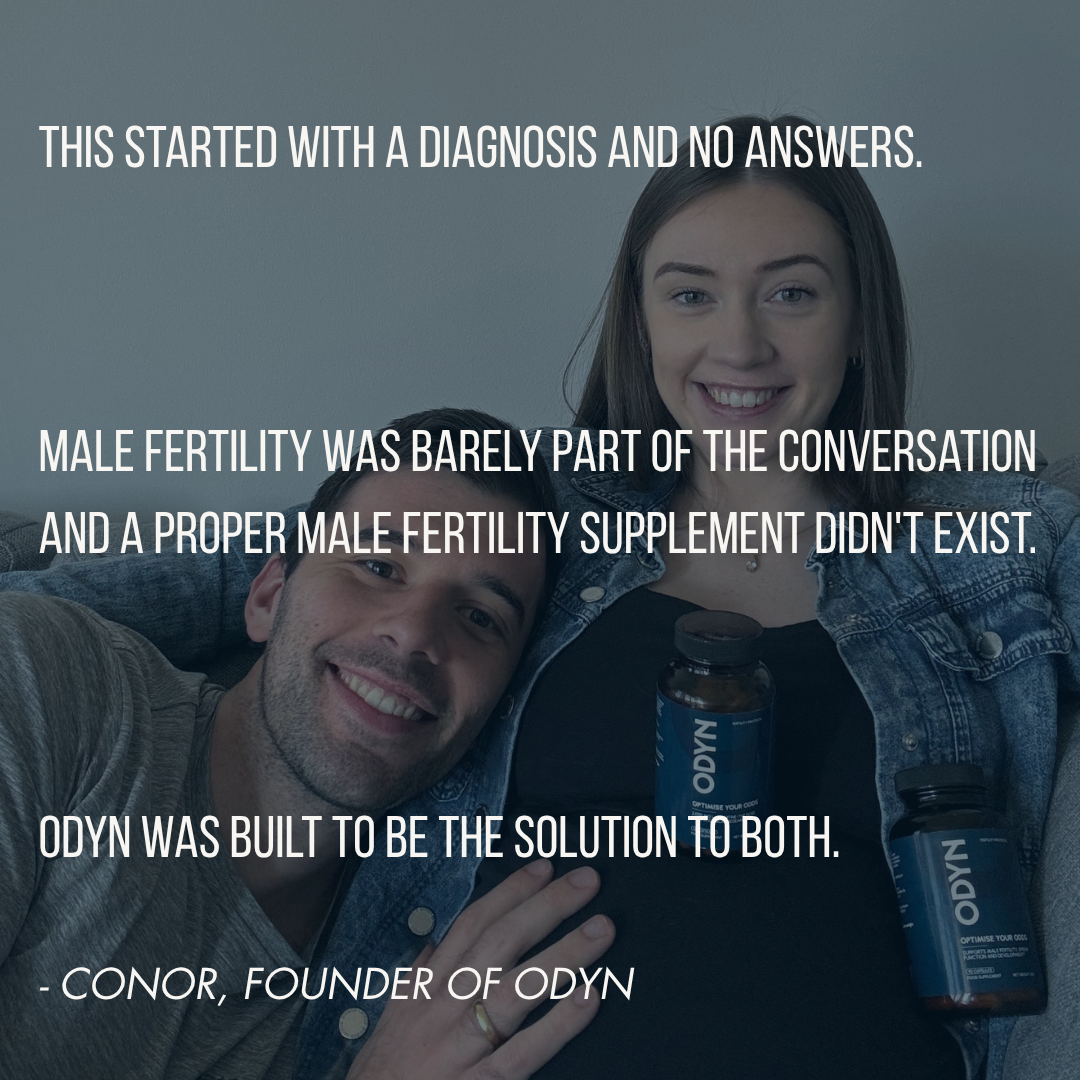
A personal note
What helped me most wasn’t finding the “perfect” intervention.
It was building a framework I could stick to and respected how sperm actually develop, instead of chasing shortcuts (which was hard for me. I am one of those guys who believe some piece of exercise equipment will give them a 6-pack)
Once I had my routine and the knowledge that I had picked the right nutrients, progress became easier to measure and far less stressful.
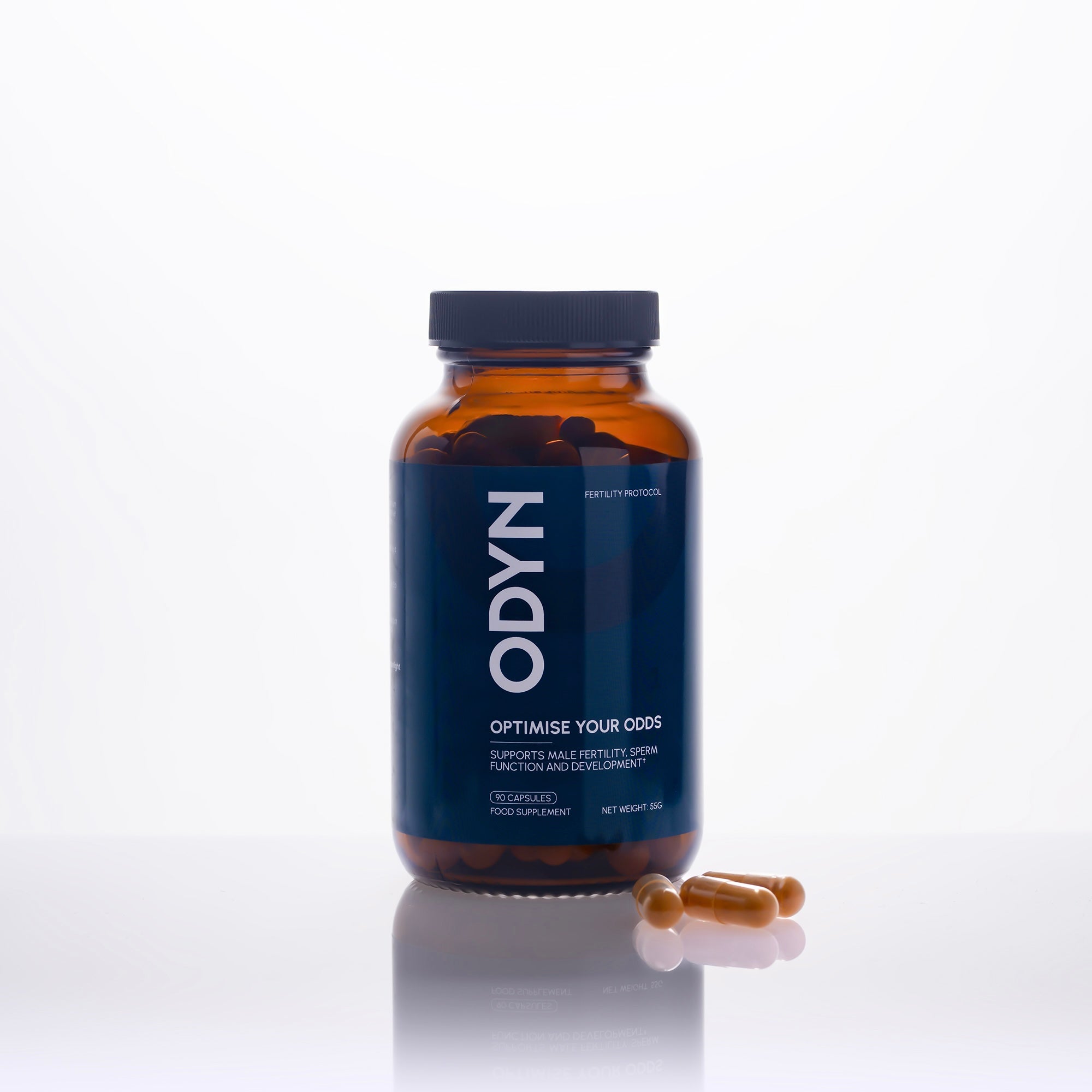
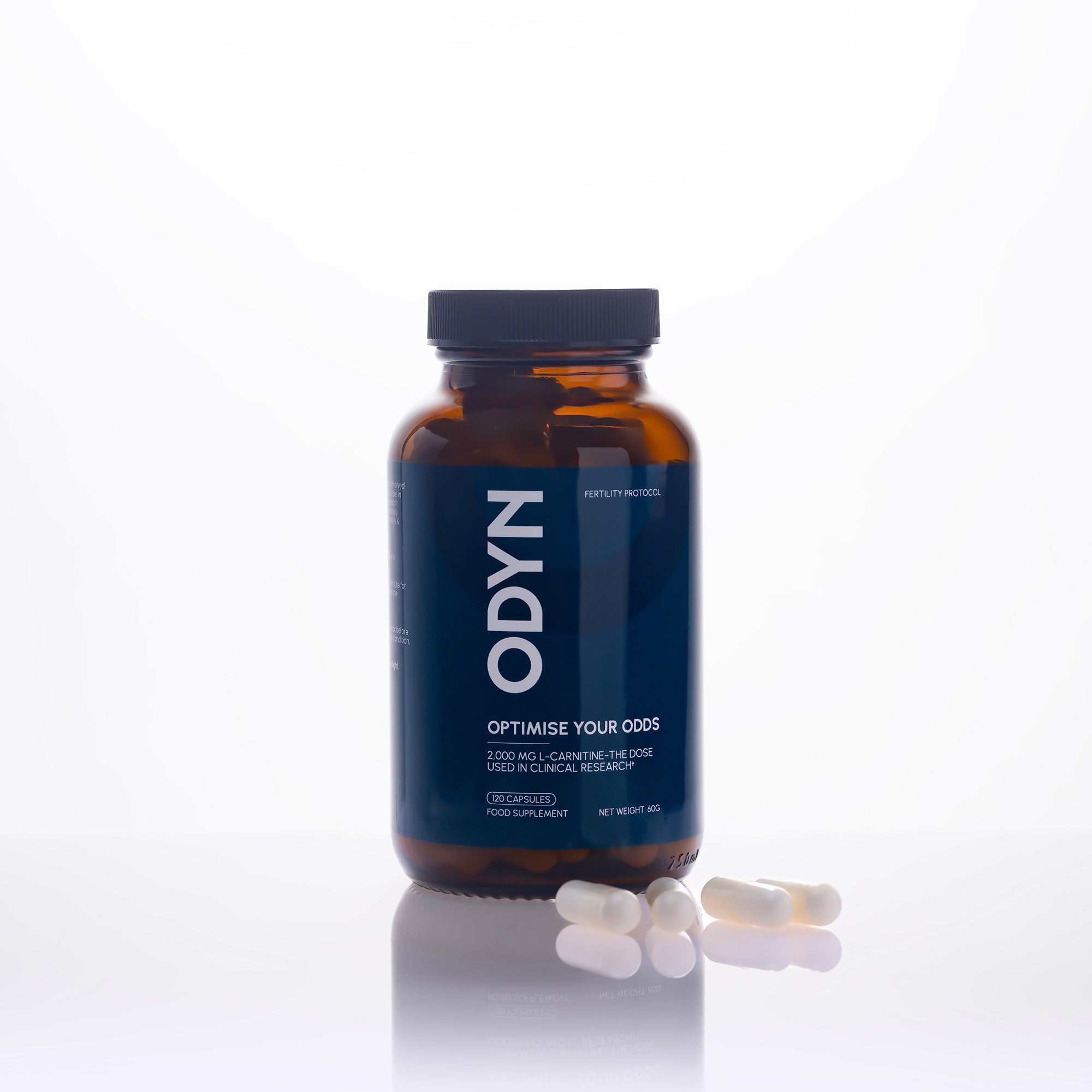
Where ODYN fits
ODYN wasn’t designed to target a single sperm parameter.
It was built to support sperm development as a process, recognising that morphology, motility, volume, and DNA integrity are all influenced by the same underlying conditions over time.
That’s why ODYN is built around:
-
A 90-day timeframe
-
Clinically meaningful doses, not label-padding
-
Supporting sperm health as a process, not a quick win
It’s not a guarantee, and it’s not for everyone. It’s for men who want a structured, evidence-led way to take responsibility for their side of the equation.
Explore the ODYN Fertility Protocol
Key takeaway
Improving sperm quality isn’t about doing everything. It’s about doing the right things, consistently, over enough time for them to matter.
When you understand the process, the pressure eases. Decisions become clearer. And progress feels far more grounded.
Frequently asked questions
Can sperm quality actually improve?
Yes. Because sperm are constantly produced, improvements in lifestyle, nutrition, and health can influence the quality of newly developing sperm over time.
How long does it take to improve sperm quality?
Sperm take roughly 74 days to develop, which means most improvements become visible after 2–3 months of consistent changes.
What affects sperm quality the most?
Common influences include alcohol intake, sleep quality, stress levels, physical activity, heat exposure, and nutrient status.