Understanding the timeline of sperm health
One of the most helpful things I learned during my fertility journey was this: sperm health follows a timeline.
Unlike many areas of health where changes can show up quickly or randomly, sperm development follows a specific timeline. Each sperm cell goes through a complex process of development before it’s mature enough to be measured in a semen analysis.
That process takes roughly 74 days. Which means the sperm you have today actually began developing around 3 months ago.
Once I understood that, how I approached my fertility changed. Instead of looking for quick fixes, I started thinking in 3 month "batches".
This page explains the timeline I wish someone had known before we started trying. Its based on my personal experience and research.
Stage 1: Before trying to conceive (6–12 months ahead)
If you know you want to start trying for a baby within the next year, this is the ideal time to begin thinking about sperm health.
Many couples often ignore male fertility preparation. But sperm health reflects what’s happening in the body months before conception, not days.
At this stage, my recommendation would be to focuson building strong foundations (which will improve your overall health, not just your sperm!)
- improving sleep habits
- moderating alcohol intake
- reducing or stopping smoking or vaping
- maintaining regular physical activity
- improving diet quality
It can also be a good time to learn the basics of sperm health and fertility testing.
If you're new to the topic, start here: Understanding Male Fertility
Stage 2: Three months before trying
This is the most important window in the male fertility timeline.
Because sperm take roughly 74 days to develop, the actions taken during this period can influence the sperm that will be present when you begin trying to conceive.
This is when many men begin focusing more deliberately on:
- reducing lifestyle stressors
- improving diet and sleep
- addressing alcohol intake
- supporting sperm development with appropriate nutrients
Consistency matters far more than intensity here.
I think of this window as the “fertility preparation phase.” for men. It's not just women who need to worry about preconception planning!
If you want to understand this timeframe in more detail: How Long Does It Take to Improve Sperm Quality?
Stage 3: When testing fertility makes sense
Not every couple needs to test fertility immediately.
Doctors often recommend testing if a couple has been trying to conceive for around 12 months without success (or earlier if there are risk factors such as age or medical conditions).
My advice: test as soon as you know you start trying. I know it can be expensive, but we waited a year before getting tested and I really feel that was time wasted where I could have been making changes.
A semen analysis measures several parameters, including:
- sperm concentration
- motility
- morphology
- semen volume
The hardest part for me wasn’t the test itself. It was understanding what the results actually meant.
If you're staring at a semen analysis report and wondering what the numbers mean check this out: How to Read a Semen Analysis
Stage 4: If results show potential issues
This was the stage that felt the most overwhelming.
Seeing results like low motility or 0% morphology can feel like a verdict.
If testing reveals lower-than-expected parameters, the most important thing to remember is that sperm results are not static.
Because sperm are constantly being produced, changes in lifestyle and health can influence the quality of future sperm.
At this stage, many men focus on:
- improving lifestyle factors
- reducing oxidative stress
- addressing nutrient deficiencies
- giving enough time for new sperm to develop
Results usually need to be reassessed after one full sperm development cycle (3 months).
This is why patience becomes such an important part of the process.
The 3-month male fertility window
Once I understood the sperm development cycle, I started thinking about my fertility in 90-day blocks.
Each 90-day window is essentially an opportunity to influence the next generation of sperm.
For me it gave me a clear way forward, I started focusing on maintaining positive habits over the full cycle.
Things like:
- sleep
- alcohol
- diet
- supplementation
- stress
Where ODYN fits
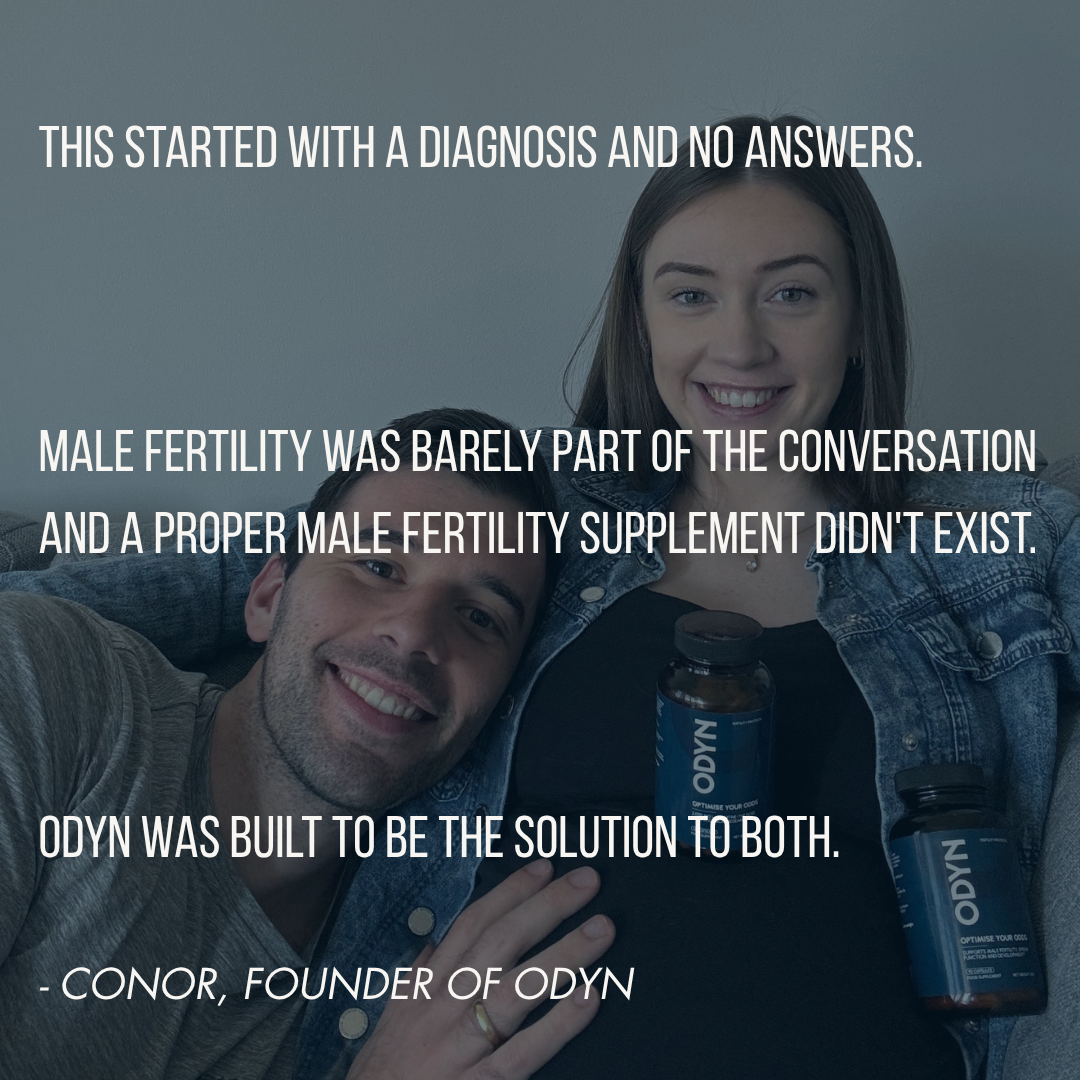
ODYN was built around the same timeline I learned the hard way.
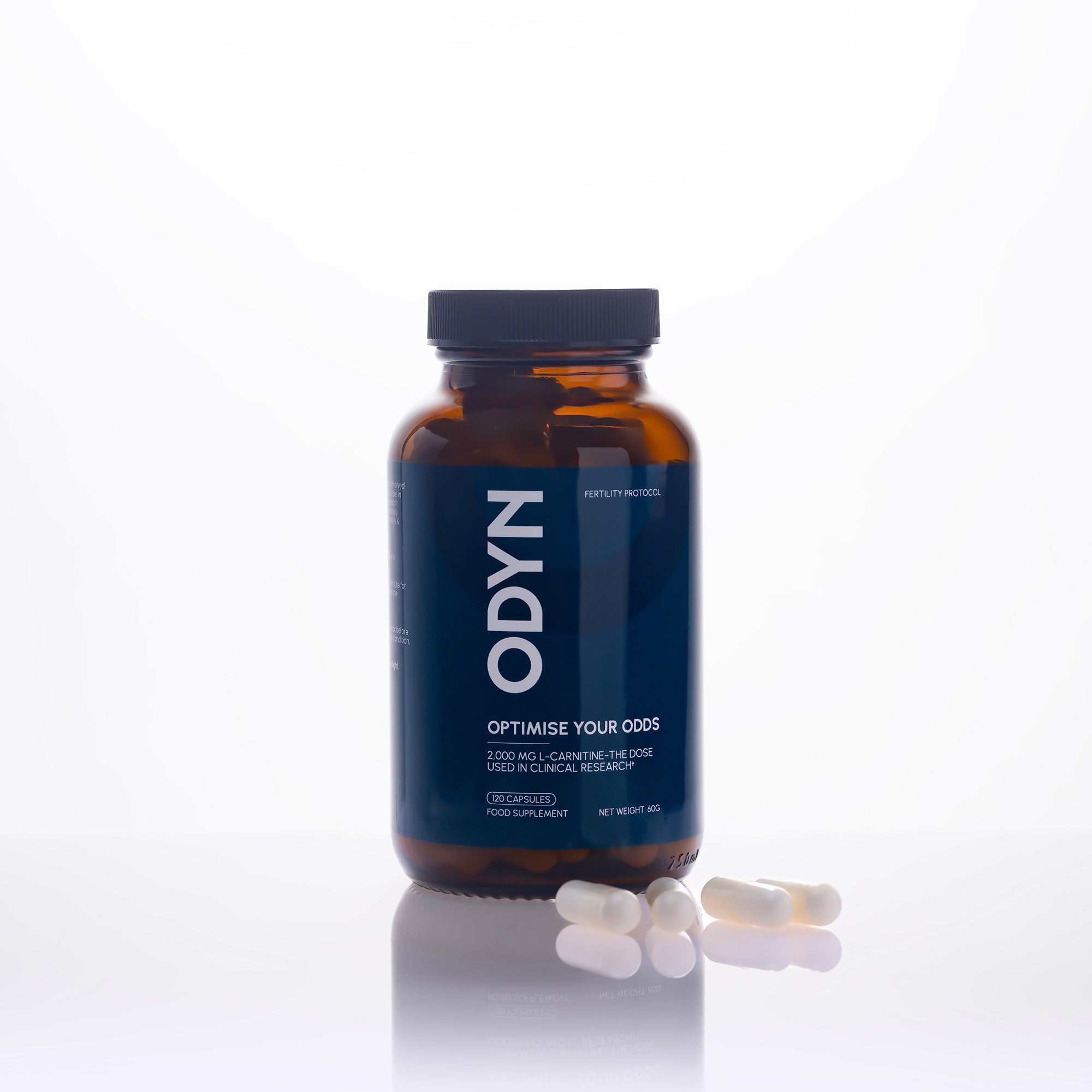
Instead of promising quick results, the ODYN Fertility Protocol follows a 90-day structure, designed to support sperm development over a full cycle.
The protocol focuses on nutrients involved in:
- cellular energy production
- antioxidant defence
- sperm development
All delivered at clinically meaningful doses.
You can explore the formulation here:
Track your sperm development cycle
One thing that helped me stay consistent was tracking what I was actually doing.
Not really too difficult and just enough to keep myself accountable.
Sleep, alcohol, supplements, exercise. Over time those patterns became surprisingly clear.
The takeaway
The biggest lesson I learned about male fertility is that time and consistency matter more than quick fixes.
Sperm health reflects what’s happening in your body over weeks and months, not days.
Once you understand that timeline, the process becomes far less chaotic and feels like something you can control.
Instead of chasing instant results, you focus on creating the right conditions and giving them enough time to work.
Frequently asked questions
How long does it take to improve sperm quality?
Sperm take roughly 74 days to develop, which means changes in sperm quality typically appear after 2–3 months.
Should men test fertility before trying to conceive?
Some couples choose to test early to establish a baseline, while others wait until they have been trying for about 12 months. I recommend testing as soon as possible!
Why do fertility improvements take so long?
Because sperm cells develop over several weeks, improvements in lifestyle or nutrition only affect sperm that are still being formed.