Poor Sperm Morphology (Teratozoospermia)
Poor sperm morphology means a lower percentage of sperm have the ideal shape and structure needed for fertilisation. Morphology is one of the parameters measured during a semen analysis and reflects how sperm developed over the previous few months. Although a low morphology percentage can sound alarming, it often needs to be interpreted alongside other parameters such as sperm count and motility.
Poor sperm morphology is one of the results that caused me to panic immediately. I saw this big fat "0% normal".
But morphology is one of the most misunderstood parts of a semen analysis, and on its own it rarely tells the full story.
This page explains what poor sperm morphology actually means, why it happens, and how to think about it realistically (based on my own experience and research).
What is sperm morphology?
Sperm morphology refers to the shape and structure of sperm.
When labs assess morphology, they’re looking at whether sperm have:
-
A well-formed head
-
An intact midpiece
-
A functional tail
Only sperm that meet very strict criteria are counted as “normal”. The bar is intentionally high and much higher than most people realise.
That’s why even healthy, fertile men often have a low percentage of sperm classified as normal.
What is considered normal sperm morphology?
According to the World Health Organization (WHO 2021) reference ranges, 4% or more sperm with normal shape falls within the range observed among fertile men.
This number often surprises people because morphology is measured using very strict criteria. Even healthy samples typically contain many sperm that do not meet the “perfect shape” definition.
What does “teratozoospermia” actually mean?
Teratozoospermia is the medical term used when a higher-than-expected proportion of sperm are considered abnormally shaped.
It’s important to understand what this doesn’t mean:
-
It doesn’t mean all sperm are abnormal
-
It doesn’t mean fertilisation is impossible
-
It doesn’t automatically predict outcomes
Like most semen analysis terms, it’s descriptive, not definitive.
I remember fixating on this result early on, assuming it carried more weight than it actually did. In reality, morphology needs to be interpreted in context, alongside motility, count, and overall trends.
Why morphology results can be misleading
Morphology is:
-
Highly subjective
-
Sensitive to lab technique
-
Influenced by short-term stressors
Small changes in how a sample is assessed can lead to noticeably different results.
It’s also common for morphology to fluctuate between tests, which is why single results should be treated cautiously.
I later found out that its possible to conceive naturally with 0% morphology. This is one reason many clinicians place less emphasis on morphology alone compared to motility or total motile count.
Common causes of poor sperm morphology
As with most sperm parameters, morphology is influenced by a combination of factors rather than a single cause.
Common contributors include:
-
Oxidative stress, which can affect sperm structure during development
-
Heat exposure, illness, or fever
-
Lifestyle factors such as smoking, excess alcohol, and poor sleep
-
Inflammation or infection
-
Nutrient deficiencies that affect cell formation
Because sperm develop over time, these factors tend to influence future sperm rather than those already present.
Everyday Habits Hurting Your Sperm
Can poor sperm morphology improve?
In many cases, yes. But even more so than other parameters, patience here is key.
Sperm morphology reflects how sperm were formed over the previous two to three months. That means improvements depend on creating better conditions and maintaining them long enough for new sperm to develop.
What’s often helpful is shifting the focus from:
-
“How bad is this number?”
to -
“What conditions are sperm developing under?”
How Long Does It Take to Improve Sperm Quality?
What helps improve sperm morphology over time
There’s no guaranteed fix, but approaches commonly associated with improved morphology include:
-
Reducing oxidative stress through consistent lifestyle changes
-
Supporting overall sperm development, not just one parameter
-
Avoiding short-term interventions and sticking with changes long enough to matter
-
Taking a structured approach rather than chasing individual tweaks
Morphology often improves alongside broader improvements in sperm health rather than in isolation.
Male Fertility Supplements: Are They Worth It?
A personal note
Morphology was one of the results I found hardest to improve, but then I learned that chasing this one number in isolation wasn’t helpful. What mattered more was understanding the process behind sperm development and committing to changes that supported it as a whole.
Going from "morphology" to "overall sperm health".
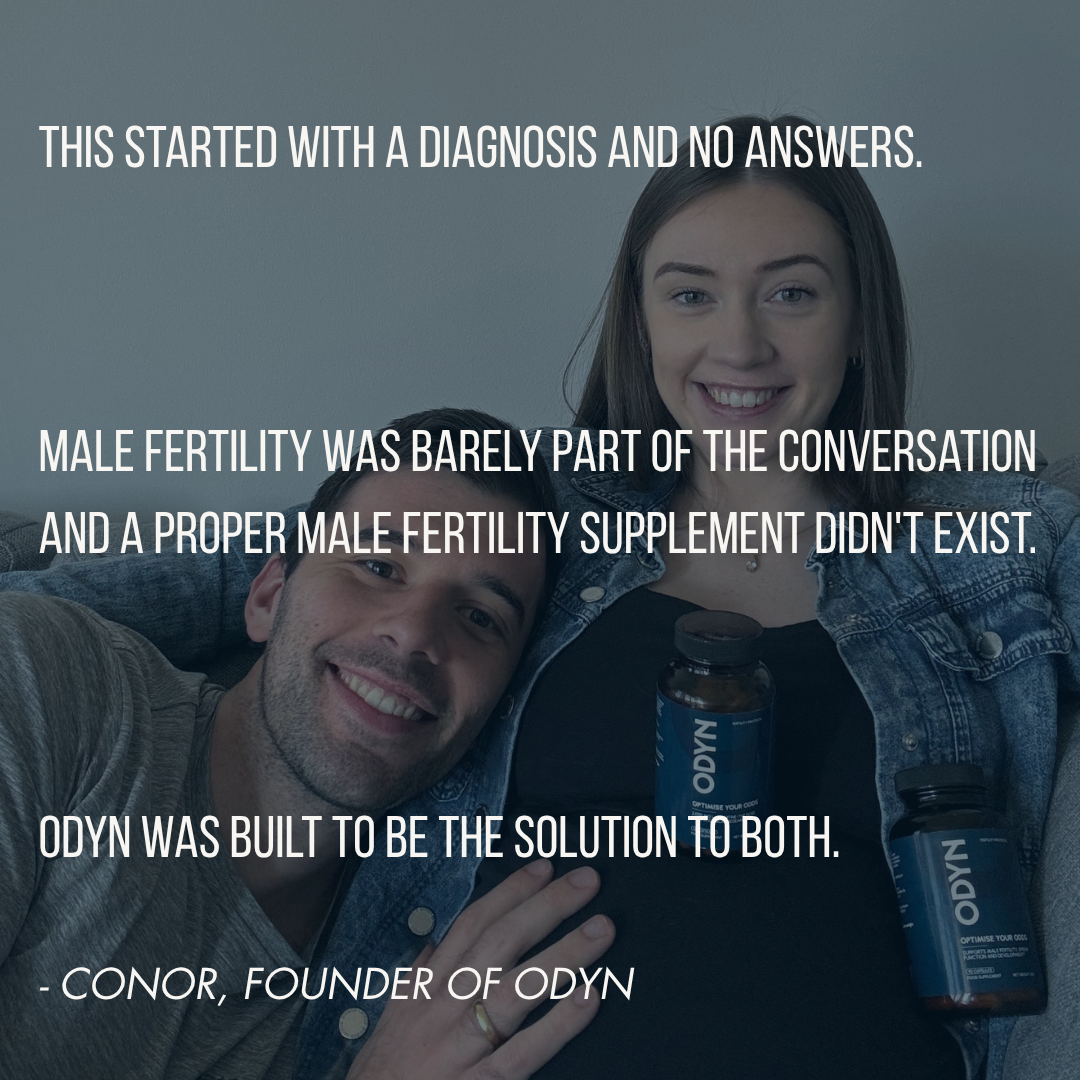
Where ODYN fits
ODYN wasn’t designed to target a single sperm parameter.
It was built to support sperm development as a process, recognising that morphology, motility, volume and DNA integrity are all influenced by the same underlying conditions over time.
That’s why ODYN focuses on:
-
A 90-day timeframe
-
Clinically meaningful doses, not label-padding
-
Supporting sperm health as a process, not a quick win
It’s not a guarantee, and it won’t be the right fit for everyone. It’s a structured, evidence-led option for men who want to take a considered approach.
Explore the ODYN Fertility Protocol
Key takeaway
Poor sperm morphology often sounds more alarming than it is.
It’s one piece of a much bigger picture, and in many cases it reflects temporary or modifiable factors rather than a permanent issue.
Frequently asked questions
Can poor sperm morphology improve?
Yes. Because sperm are constantly produced, morphology can improve when underlying factors such as lifestyle, health, and nutrient status improve over time.
Can you conceive with poor sperm morphology?
Yes. Many couples conceive naturally even when morphology results are low, especially if other sperm parameters such as count and motility are healthy.
How long does it take to improve sperm morphology?
Sperm take around 74 days to develop, which means improvements in morphology can appear after 2–3 months of consistent changes. However, it does seem that morphology is one of the parameters that takes the longest to improve.