Sperm Concentration & Semen Volume
Sperm concentration refers to how many sperm are present in each millilitre of semen, while semen volume describes the total amount of fluid released during ejaculation. Both measurements are part of a standard semen analysis and help doctors understand how sperm are produced and delivered. When concentration or volume falls below reference ranges, it may affect fertility, but results usually need to be interpreted alongside other sperm parameters and repeated over time.
Sperm concentration and semen volume are often the first numbers people notice on a semen analysis and often the most confusing.
Seeing words like oligospermia or azoospermia on a report can feel like being diagnosed with a disease. But these terms describe what was seen at one moment in time, not what’s possible going forward.
This page explains what sperm concentration and volume actually mean, how conditions like oligospermia and azoospermia are defined, and how to think about these results realistically (based on my own experience and research).
What is sperm concentration?
Sperm concentration refers to how many sperm are present per millilitre of semen.
It’s different from total sperm count, which looks at the entire sample. Concentration focuses on density (how packed sperm are within the fluid).
Low concentration doesn’t mean there are no sperm present. It simply means there are fewer sperm per millilitre than expected at the time of testing.
Because concentration can fluctuate, it’s best interpreted alongside:
-
Total sperm count
-
Volume
-
Motility
Not in isolation.
What is semen volume?
Semen volume refers to the amount of fluid released during ejaculation.
This fluid plays an important role in:
-
Transporting sperm
-
Providing the right environment for movement
-
Supporting sperm survival
Low volume doesn’t necessarily mean low sperm production but it can affect how sperm are delivered and measured.
Volume can be influenced by:
-
Hydration
-
Abstinence period
-
Stress and illness
-
Collection issues
Which is why repeat testing is often recommended.
What is considered normal sperm concentration and volume?
According to the World Health Organization (WHO 2021) reference ranges:
| Parameter | WHO reference value |
|---|---|
| Sperm concentration | 16 million per mL or more |
| Total sperm count | 39 million per sample or more |
| Semen volume |
1.4 mL or more |
These values represent the lower range observed among men who were able to conceive naturally. Falling below them does not automatically mean infertility, but it may indicate that sperm production or delivery is reduced.
What does oligospermia mean?
Oligospermia is the term used when sperm concentration is lower than reference ranges.
It does not automatically mean:
-
Infertility
-
Permanent impairment
-
That improvement isn’t possible
Like most semen analysis terms, it’s descriptive. It tells you what was measured, not why it’s happening.
In many cases, oligospermia reflects temporary or modifiable influences rather than a fixed condition.
What does azoospermia mean?
Azoospermia refers to the absence of sperm in the ejaculate.
This is understandably one of the most confronting results to receive. But even here, context matters.
There are different types of azoospermia, broadly relating to:
-
Production issues (sperm aren’t being made in sufficient numbers)
-
Transport or blockage issues (sperm are made but not reaching the ejaculate)
Because of this, azoospermia always requires further investigation. Repeat testing and specialist input are essential here. This is also one of the few diagnoses that generally will not be improved via lifestyle changes or supplementation alone.
Common causes of low concentration or volume
Low sperm concentration and volume are often influenced by a combination of factors rather than one single cause.
These can include:
-
Hormonal disruption
-
Oxidative stress affecting sperm production
-
Heat exposure, illness, or fever
-
Lifestyle factors such as alcohol, smoking, poor sleep, and chronic stress
-
Inflammation or infection
-
Nutrient deficiencies involved in sperm production
-
Collection or abstinence-related factors
Because sperm production happens over time, these influences usually reflect what was happening weeks or months before testing.
Everyday Habits Hurting Your Sperm
Can low sperm concentration improve?
In many cases, yes, particularly when the underlying factors are identified and addressed.
Sperm concentration reflects sperm production over the previous two to three months, while volume is often more sensitive to short-term influences (like hydration or abstinence).
How Long Does It Take to Improve Sperm Quality?
A note on testing and repeat analysis
Results for concentration and volume are particularly sensitive to:
-
Illness or fever
-
Stress
-
Abstinence length
-
Hydration and collection conditions
This is why repeat testing is common.
How to Read a Semen Analysis (Male Fertility Test Results Explained)
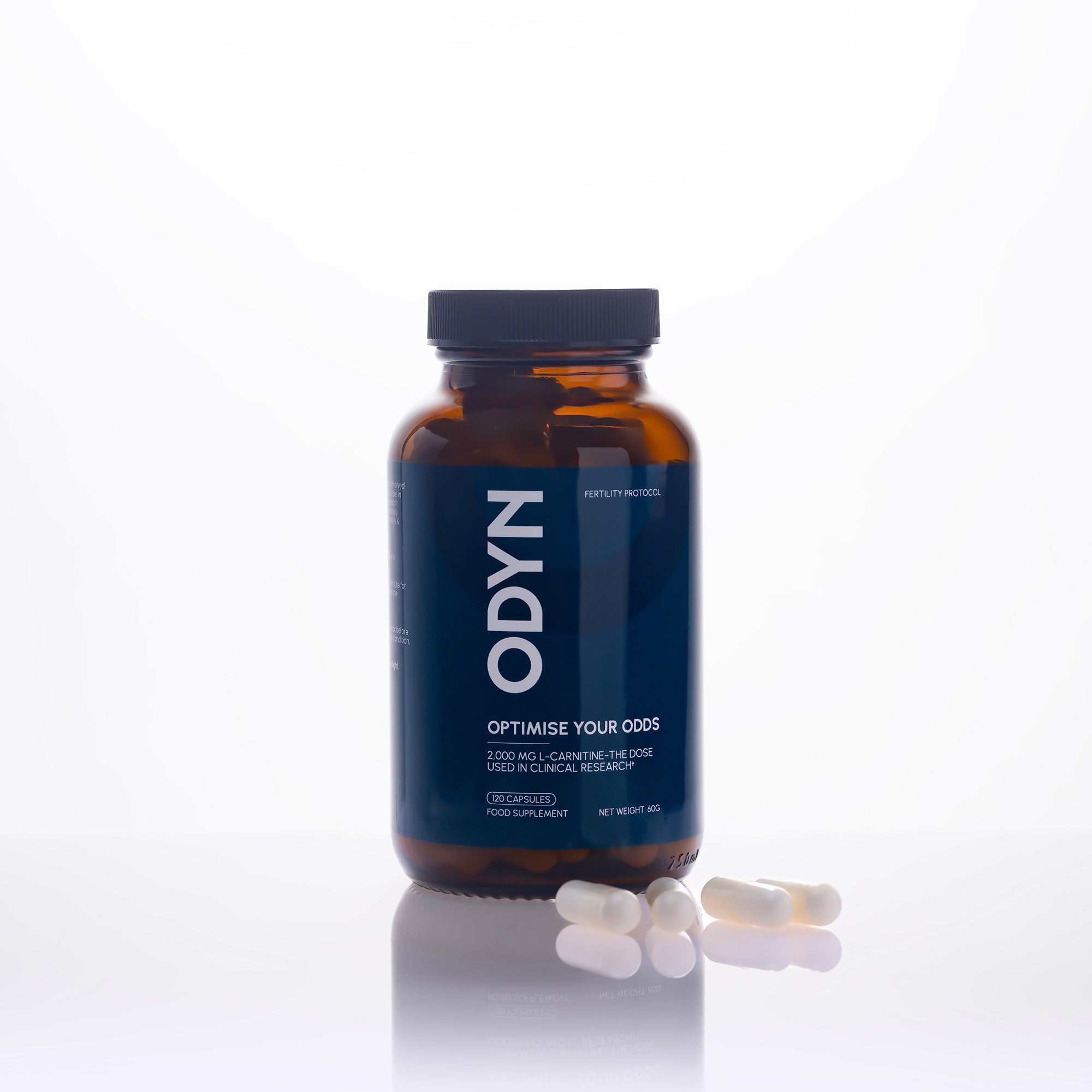
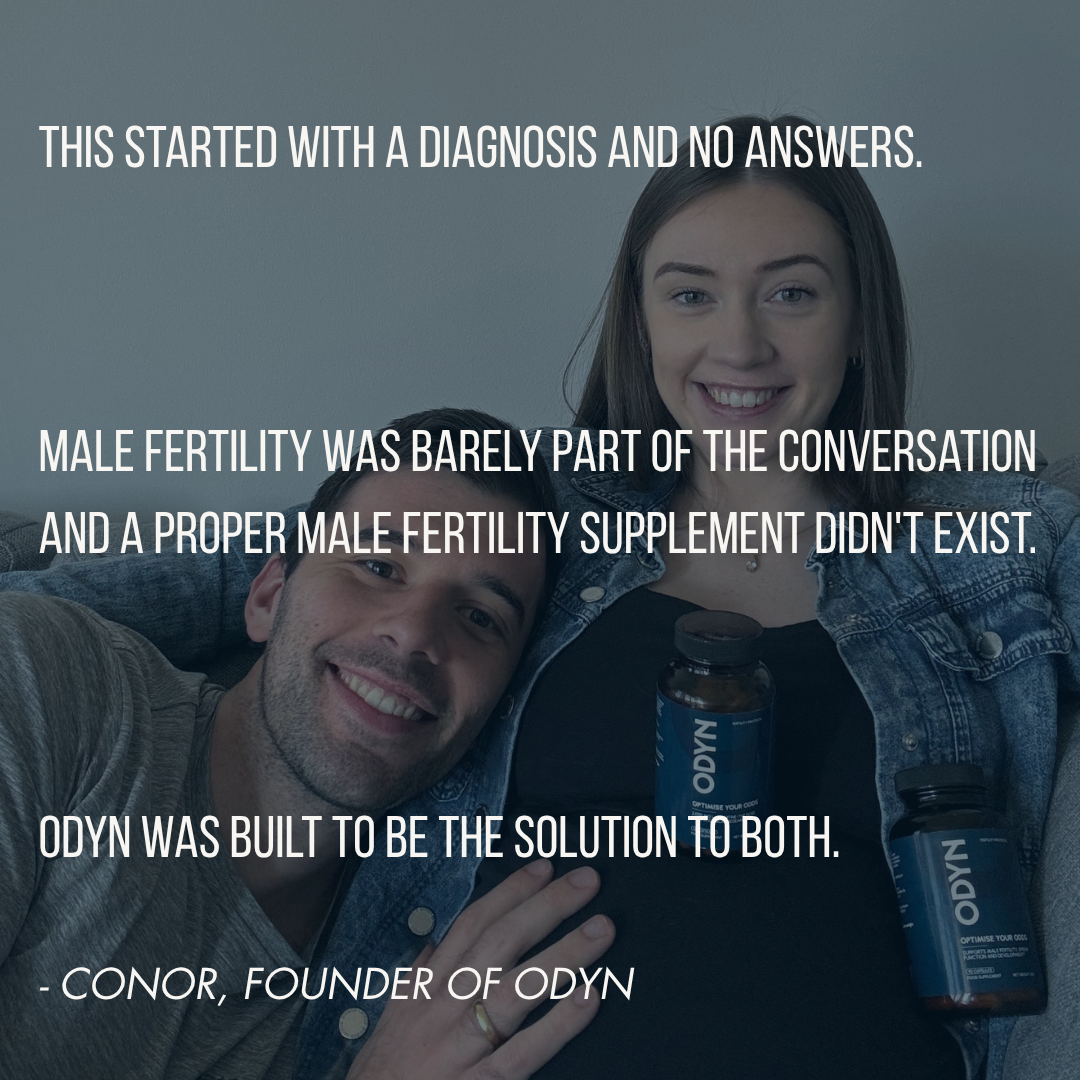
Where ODYN fits
ODYN wasn’t designed to target a single sperm parameter.
It was built to support sperm development as a process, recognising that morphology, motility, volume, and DNA integrity are all influenced by the same underlying conditions over time.
That’s why ODYN is built around:
-
A 90-day timeframe
-
Clinically meaningful doses, not label-padding
-
Supporting sperm health as a process, not a quick win
It’s not a guarantee, and it’s not for everyone. It’s for men who want a structured, evidence-led way to take responsibility for their side of the equation.
Explore the ODYN Fertility Protocol
Key takeaway
Low sperm concentration or volume can sound definitive, but they rarely tell the whole story on their own.
Frequently asked questions
Can sperm concentration vary between semen analyses?
Yes. Sperm concentration can fluctuate between tests due to factors such as illness, stress, fever, abstinence length, hydration, and sleep quality. Because of this natural variation, doctors often recommend repeating a semen analysis after 8–12 weeks to confirm patterns rather than relying on a single result.
Does low semen volume always mean low sperm production?
Not necessarily. Semen volume reflects the amount of fluid released during ejaculation, which comes from several glands in the reproductive system. A lower volume does not automatically mean fewer sperm are being produced, but it can influence how sperm are transported and measured during testing.
Can you conceive with low sperm concentration?
Yes. Many couples conceive naturally even when sperm concentration is below reference ranges. Fertility depends on multiple factors, including total sperm count, motility, timing, and the overall health of both partners, rather than a single number alone.