Are Male Fertility Supplements Worth It?
Some male fertility supplements may help support sperm health, particularly when they provide nutrients involved in energy production, antioxidant protection, and sperm development. However, many products on the market contain large ingredient lists with doses far below those used in research. Whether supplements are worthwhile often depends less on the number of ingredients and more on whether those ingredients are included at clinically meaningful levels.
My experience with male fertility supplements
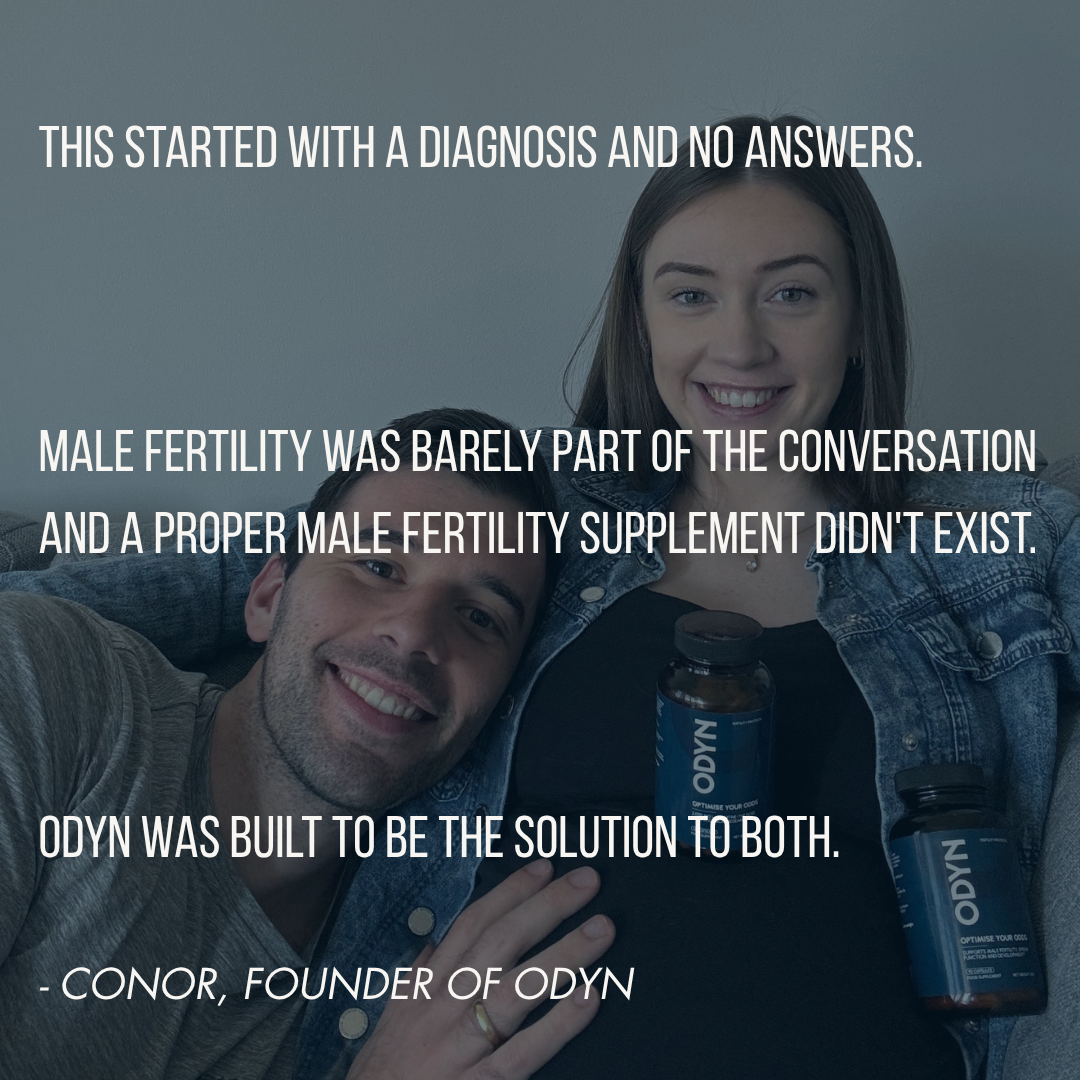
When I first got told I was clinically infertile, the doctor shrugged and casually mentioned supplements as an option, but with no specifics or guidance. If you've been down this road, you probably know the feeling: confusion, frustration, and a sense that no one really has your back.
That moment kicked off my journey into male fertility supplements and the wild-west of an industry behind them.
One thing I found in my research: most supplements you see advertised are packed with ingredients that might look impressive but are dosed far below what's clinically proven to work.
Brands love to claim they're "comprehensive" because their ingredient list is long. But (as we have heard related to other things): length doesn’t mean effectiveness. In fact, most supplements stuff in filler ingredients at ineffective dosages, just to pad out their labels.
It's the equivalent of adding all those extra letters to the end of your LinkedIn profile. Looks impressive, sure, but it doesn't mean you are any better at your job.
Why are supplements used for male fertility?
Sperm production is metabolically demanding. It relies on nutrients involved in:
- Cellular energy production
- Antioxidant protection
- DNA stability
- Hormonal signalling
Because of this, certain micronutrients and compounds have been studied for their potential role in supporting sperm health.
Common examples include:
- L-Carnitine, involved in sperm energy metabolism
- CoQ10, linked to mitochondrial function and antioxidant activity
- Zinc and Selenium, which support reproductive health
- Vitamin C and Vitamin E, which help regulate oxidative stress
- Lycopene linked to antioxidant protection
The problem with many fertility supplements
After digging into the market, a few patterns became clear.
Ingredient overload
Many fertility supplements include 20 or more ingredients in a single formula. That may look impressive on paper, but it often means each ingredient is present in very small amounts.
Underdosing
Some supplements include nutrients at levels far below those used in clinical research, making it unlikely they will have meaningful effects.
Label padding
Certain products add ingredients that sound scientific or exotic but have limited evidence specifically for male fertility.
Lack of transparency
Some brands hide ingredient amounts behind “proprietary blends”, making it impossible to know what you’re actually taking.
This combination can leave men spending significant money without receiving the nutrients in amounts that research suggests may be helpful.
Why I built ODYN differently
When I started ODYN, I had one simple idea: cut through the noise and focus on what actually matters.
I wanted a minimalist, evidence-backed formula. Something that genuinely aligns with clinical research.
Why? Because I wasn’t going to gamble my money or my fertility on supplements that looked good but had no real substance.
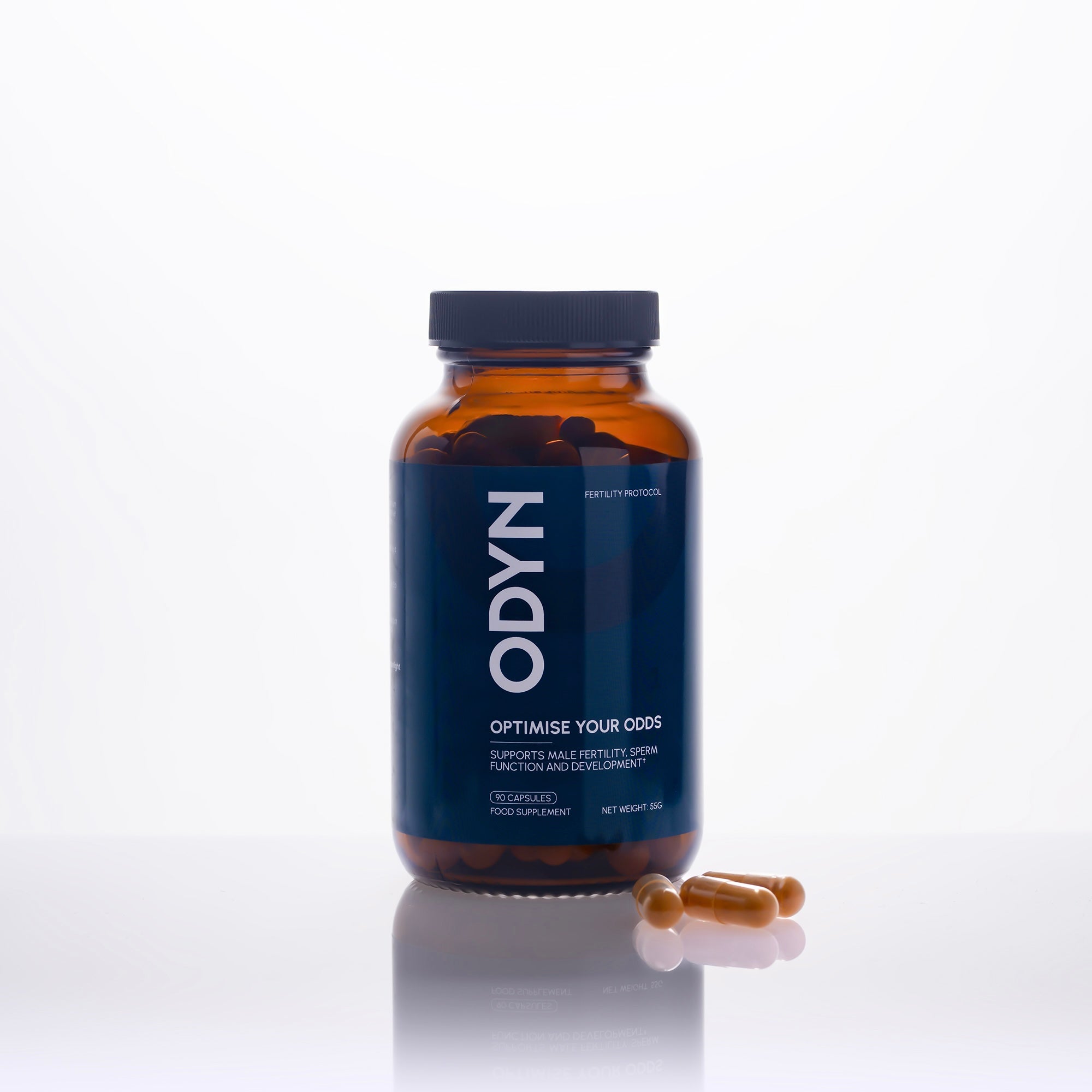
The ODYN Fertility Protocol was designed around three core principles:
Clinically meaningful doses
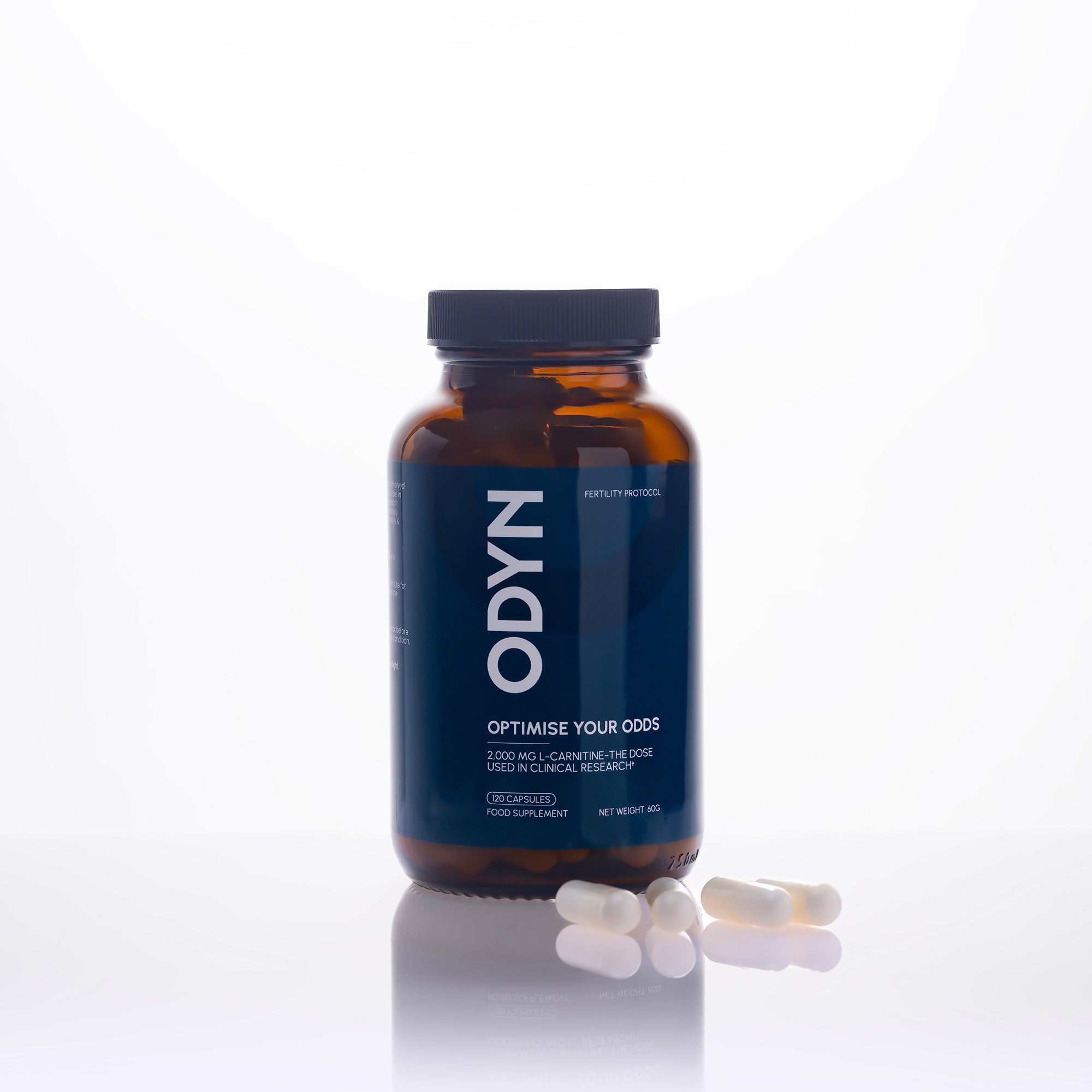
Key ingredients such as L-Carnitine (2,000 mg), CoQ10 (300 mg), Lycopene (25 mg), and Zinc (25 mg) are included at levels consistent with scientific research.
Minimalist formulation
Instead of packing dozens of ingredients into one formula, ODYN focuses on a smaller number of well-studied nutrients.
A realistic timeframe
Because sperm take around 74 days to develop, the protocol is structured around a 90-day cycle to support sperm development over time.
You can explore the science behind each ingredient here:
Explore the ODYN Fertility Protocol
The bigger picture: supplements aren’t the whole answer
Look, investing in your fertility shouldn't feel like a shot in the dark. Yet, that’s exactly how it felt when I was starting out. ODYN exists precisely because of this frustration. I want to put clarity, honesty, and effectiveness at the heart of male fertility.
One of the most important things I learned during my fertility journey is that supplements should never replace the fundamentals.
Lifestyle factors such as:
- sleep
- alcohol intake
- stress
- exercise
- nutrition
all influence sperm development.
Supplements work best when they support a healthy foundation, not when they’re used as a shortcut.
The takeaway
Male fertility supplements can play a useful role, but only when they are built around meaningful doses and real scientific evidence.
Long ingredient lists and clever marketing don’t necessarily translate to better results.
If you’re considering supplements, focus on clarity, transparency, and evidence.
Because when it comes to fertility, the goal isn’t to try everything.
It’s to focus on what actually makes a difference.
Want to see exactly why each ODYN Fertility Protocol ingredient made the cut? [Click here to see what's behind our formulation].
Frequently asked questions
Do male fertility supplements actually work?
Some supplements may help support sperm health when they contain nutrients involved in energy production and antioxidant protection. However, results vary and supplements work best alongside healthy lifestyle habits.
How long do fertility supplements take to work?
Sperm take roughly 74 days to develop, which means improvements in sperm quality typically appear after 2–3 months of consistent supplementation and lifestyle changes.
What ingredients are commonly studied for male fertility?
Commonly studied nutrients include L-Carnitine, CoQ10, Zinc, Selenium, Vitamin C, Vitamin E, and Lycopene, among others.