At-Home Sperm Tests vs Clinic Tests
At-home sperm tests can provide a basic screening of sperm count and sometimes motility, but they are limited compared with a clinical semen analysis. A clinic test evaluates additional parameters such as morphology, semen volume, and overall sperm health, and is performed under standardised laboratory conditions. For this reason, at-home tests are best viewed as an early indication, while clinic tests provide a more complete fertility assessment.
Why bother with a clinic test?
If you’ve started looking into your fertility, chances are you’ve come across at-home sperm tests pretty quickly. They’re easy to order, discreet, and promise answers without the awkwardness of a clinic visit.
I get the appeal. In fact, almost nine months before I ever did a clinical semen analysis, I did an at-home test myself.
It came back “within range”. Not perfect, but not alarming either. And at the time, that felt reassuring. It left me with a sense that things were fine and that there wasn't anything to worry about.
Looking back, all that result did was give me a false sense of security.
I didn’t take any action or make changes. And I certainly didn’t realise that what the test didn’t measure mattered just as much as what it did.
As I write this, it makes something very clear: time is the one thing you don’t get back in a fertility journey. And limited information can cost you more time than you realise.
That’s not a knock on at-home tests. They have a place. But like most things in male fertility, testing is only useful if you understand what is actually going on.
This page is about helping you understand the difference between at-home and clinical sperm tests.
What at-home sperm tests actually measure
Most at-home sperm tests focus on one or two basic parameters, usually:
-
Sperm concentration (how many sperm are present)
-
Sometimes motility (how well they move)
That’s it.
They’re really more screening tools, not diagnostic ones. In simple terms, they can tell you whether your sperm count is likely above or below a certain threshold, but not much more.
For some men, that’s genuinely useful. If you’re early in the process and want a rough signal, an at-home test can be a reasonable starting point.
But it’s only a starting point.
What at-home tests don’t tell you
This is where expectations often drift from reality.
At-home tests typically do not measure:
-
Sperm morphology (shape)
-
Total motile sperm count (although some claim to be able to calculate this)
-
DNA integrity
-
Hormonal influences
So it’s entirely possible to:
-
“Pass” an at-home test
-
Feel reassured
-
And still be dealing with underlying sperm health issues
This is one of the reasons fertility journeys can feel so confusing. A result looks fine, but progress doesn’t follow. And trust me - that sense of guilt/shame/regret when you do find out later is not nice.
Sperm DNA Fragmentation: What It Is & Why It Matters
What clinic-based semen analysis covers
A lab-based semen analysis is broader and more controlled.
It typically looks at:
-
Volume
-
Concentration
-
Motility
-
Morphology
It’s processed under standardised conditions, which makes the results more comparable over time, especially if testing is repeated.
That doesn’t mean clinic tests are perfect. They’re still a snapshot. But they give you far more context, particularly when results are interpreted alongside lifestyle, medical history, and symptoms.
The limits of clinic tests
Even clinic testing has limits.
A single semen analysis:
-
Doesn’t predict pregnancy
-
Doesn’t explain why a parameter is low
-
Can fluctuate due to illness, stress, sleep, or abstinence length
That’s why doctors often repeat tests and why results should be viewed as part of a process, not a final verdict.
Where timing comes in (and why it matters)
This is one of the most misunderstood parts of testing.
Sperm take around 2–3 months to develop. That means any test, whether at home or in a lab, is reflecting past conditions.
If you change something today:
-
Supplements
-
Alcohol
-
Sleep
-
Stress
-
Diet
You won’t see that reflected immediately. It also means, that if you are planning, then the best time to make changes is today.
How Long Does It Take to Improve Sperm Quality?
So which test should you choose?
There’s no single right answer. A more useful way to think about it is:
-
At-home tests → early indication, convenient and less daunting
-
Clinic tests → deeper insight, give much better context and can really help decision-making
| Feature | At-home sperm test | Clinic semen analysis |
|---|---|---|
| Convenience | High | Lower |
| Privacy | High | High (but just awkard) |
| Parameters measured | Usually sperm count (sometimes motility) | Volume, concentration, motility, morphology |
| DNA integrity testing | No | Sometimes available as an additional test |
| Accuracy & consistency | Varies by device | Standardised laboratory testing |
| Use case | Early screening | Diagnostic evaluation |
Neither is “bad”. They just serve different purposes.
What to do after testing (this matters more than the test itself)
Testing only becomes useful when it informs what happens next.
That might mean:
-
Repeating a test after enough time has passed
-
Looking honestly at lifestyle factors
-
Understanding which parameters matter most
-
Taking a structured approach rather than reacting emotionally
This is where many men get stuck: not because they didn’t test, but because they don't know how to respond. I know thats how I felt.
Where ODYN fits
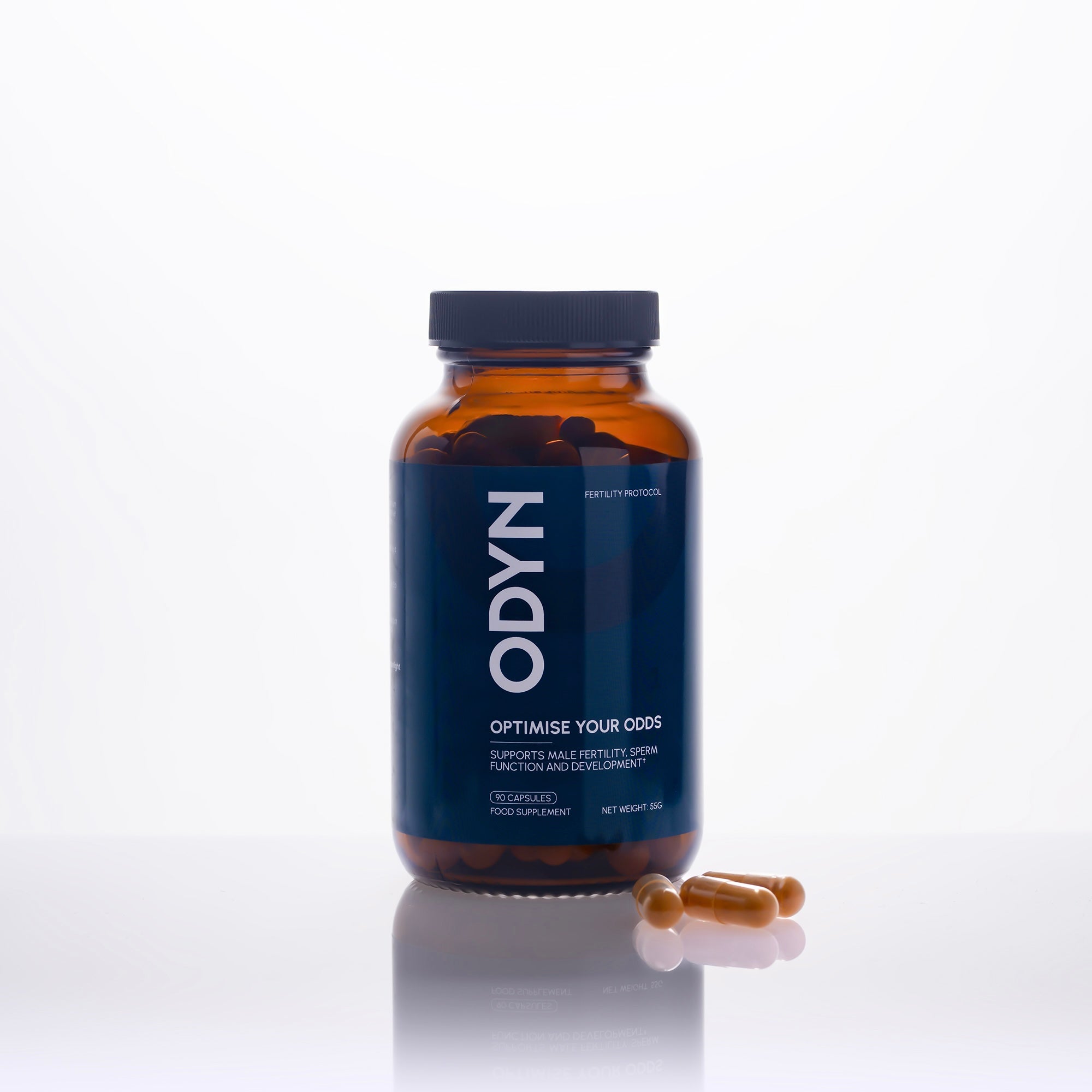
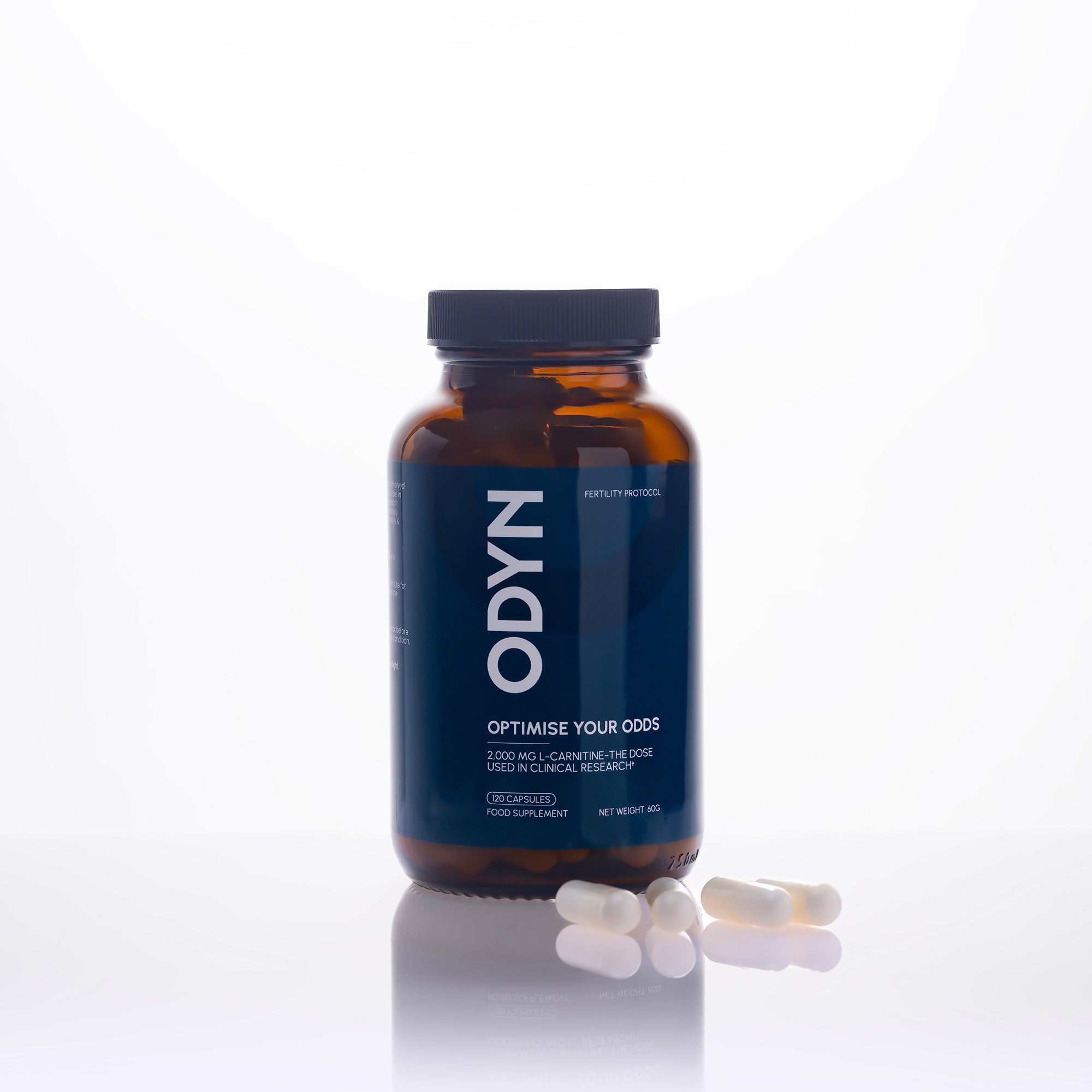
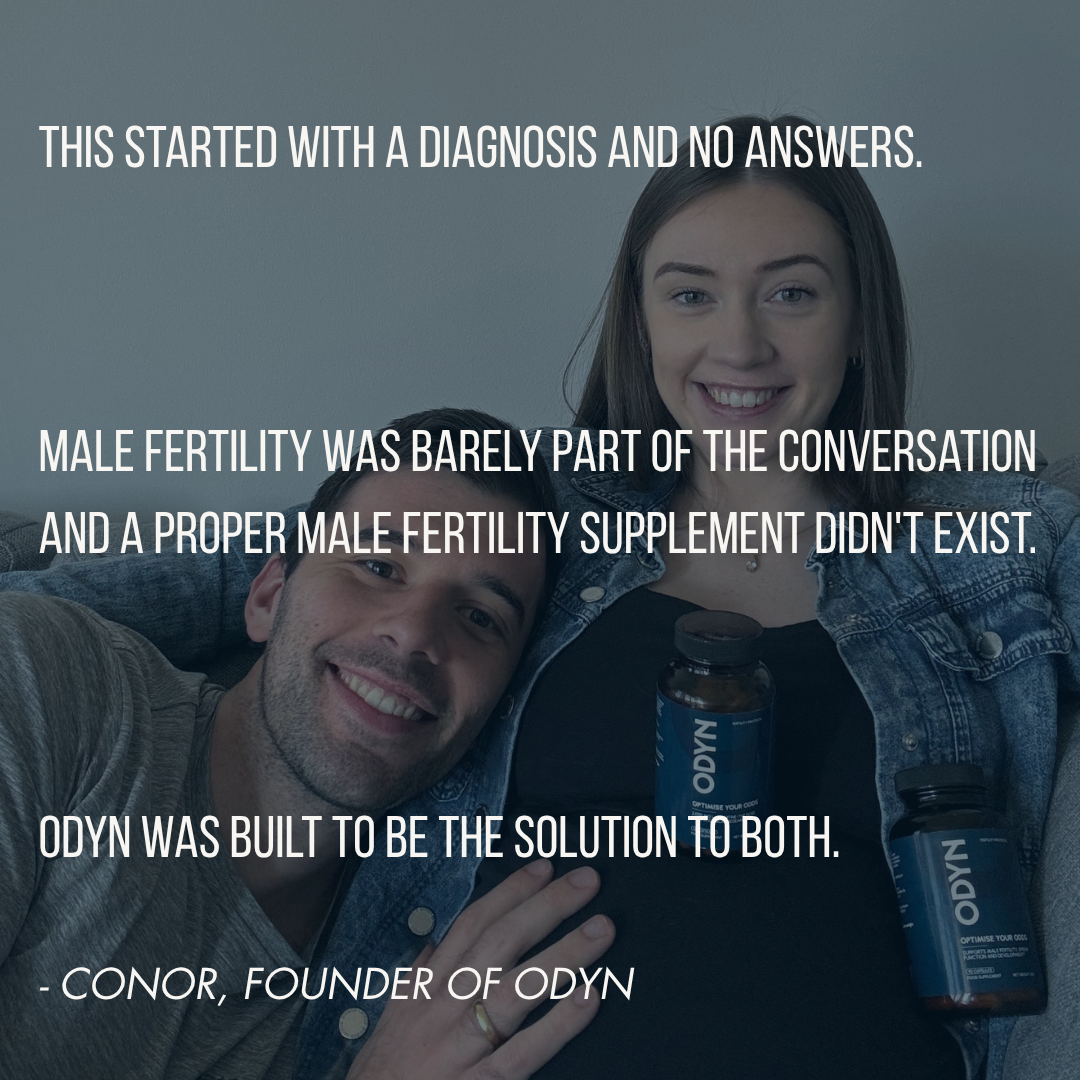
ODYN was born from the need to respond to test results.
It was built to support sperm development as a process, recognising that morphology, motility, volume, and DNA integrity are all influenced by the same underlying conditions over time.
That’s why ODYN is built around:
-
A 90-day timeframe
-
Clinically meaningful doses, not label-padding
-
Supporting sperm health as a process, not a quick win
It’s not a guarantee, and it’s not for everyone. It’s for men who want a structured, evidence-led way to take responsibility for their side of the equation.
Explore the ODYN Fertility Protocol
The takeaway
At-home tests and clinic tests can both be useful, as long as you understand their limits.
Testing should reduce uncertainty, not create false reassurance or unnecessary stress. And in most cases, real progress doesn’t come from the test itself, but from what you do consistently afterwards.
When you approach fertility with patience, structure, and realistic expectations, the process becomes far more manageable, regardless of your starting point.
Frequently asked questions
Are at-home sperm tests accurate?
At-home sperm tests can give a rough indication of sperm count and sometimes motility, but they are not as comprehensive as laboratory semen analysis. Their accuracy can also vary depending on the device used and how the test is performed.
Should I start with an at-home sperm test or a clinic test?
An at-home test can be a useful first step if you want a quick indication. However, if you are actively trying to conceive or have concerns about fertility, a clinic-based semen analysis provides much more detailed information.
Can an at-home sperm test miss fertility problems?
Yes. Because most at-home tests do not assess sperm morphology, DNA fragmentation, or hormonal factors, it is possible for a test to appear “within range” while other fertility issues are still present.