Common myths about male fertility
Male fertility is often surrounded by misinformation. Many men assume fertility problems are rare, that age doesn’t matter, or that ejaculation alone means everything is working properly. In reality, sperm health is influenced by many biological and lifestyle factors, and several common beliefs about male fertility simply aren’t accurate.
My experience discovering fertility misinformation
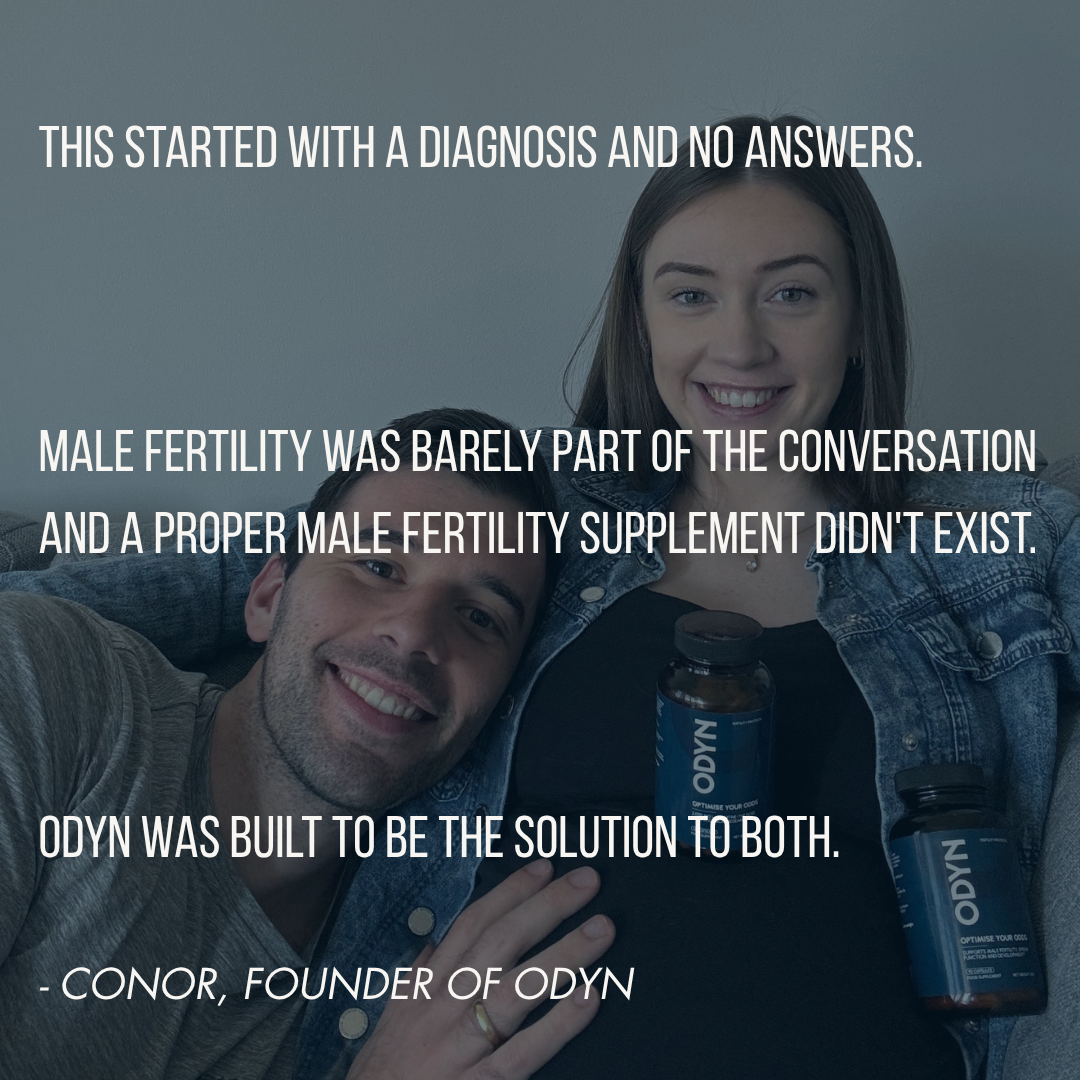
When I first started digging into my fertility journey, I was blown away by how much misinformation was out there. And sadly, a lot of men (and their partners) are still making decisions based on myths rather than facts.
Myth 1: Male fertility issues are rare
Fact: Male factor infertility is involved in around 40–50% of infertility cases.
Despite this, fertility is still often framed as primarily a female issue. In reality, sperm health plays a role in a large proportion of fertility challenges.
One reason this myth persists is that male fertility testing is often delayed or avoided.
Myth 2: Age doesn’t affect men's fertility
Fact: Sperm quality gradually declines with age.
While men remain fertile for longer than women, research shows that sperm motility, morphology, and DNA integrity can decline as men age, particularly after the late 30s or early 40s.
Age alone doesn’t determine fertility outcomes, but it is a factor worth considering.
Myth 3: You can't improve sperm quality
Fact: In many cases, sperm health can improve over time.
Because sperm take roughly 74 days to develop, lifestyle changes and health improvements can influence the quality of newly produced sperm.
Factors such as:
- sleep
- alcohol intake
- stress
- nutrition
- micronutrient status
all influence the environment in which sperm develop.
This doesn’t guarantee improvement in every case, but it does mean sperm health can be influenced.
How Long Does It Take to Improve Sperm Quality?
Myth 4: If you can ejaculate, your fertility is fine
Fact: Ejaculation does not guarantee healthy sperm.
Semen volume can be normal while sperm count, motility, or morphology are still impaired.
The only way to assess sperm quality properly is through semen analysis, which measures multiple parameters.
Myth 5: Testosterone supplements boost fertility
Fact: External testosterone can actually suppress sperm production.
Testosterone replacement therapy can reduce the body’s natural sperm production because it signals the body to stop producing its own testosterone in the testes.
This is why men trying to conceive are usually advised to avoid testosterone therapy unless supervised by a specialist.
The takeaway
Male fertility is far more common, and far more nuanced, than many of us realise.
Separating myth from reality is one of the most important steps in understanding fertility and making informed decisions.
If you want a deeper explanation of how sperm health actually works, start here:
Ready for no-nonsense support backed by real science? Discover how the ODYN Fertility Protocol is built to optimise your sperm health.
Frequently asked questions
Is male infertility common?
Yes. Male factor infertility is involved in roughly half of fertility challenges, either on its own or alongside female factors.
Can lifestyle really affect sperm quality?
Yes. Factors such as sleep, alcohol intake, stress, diet, and environmental exposures can all influence sperm development over time.
When should men test their fertility?
Many doctors recommend fertility testing if a couple has been trying to conceive for 12 months without success, or sooner if there are known risk factors. However, I would strongly recommend that men get tested as soon as they can. Its better to have the facts early.